
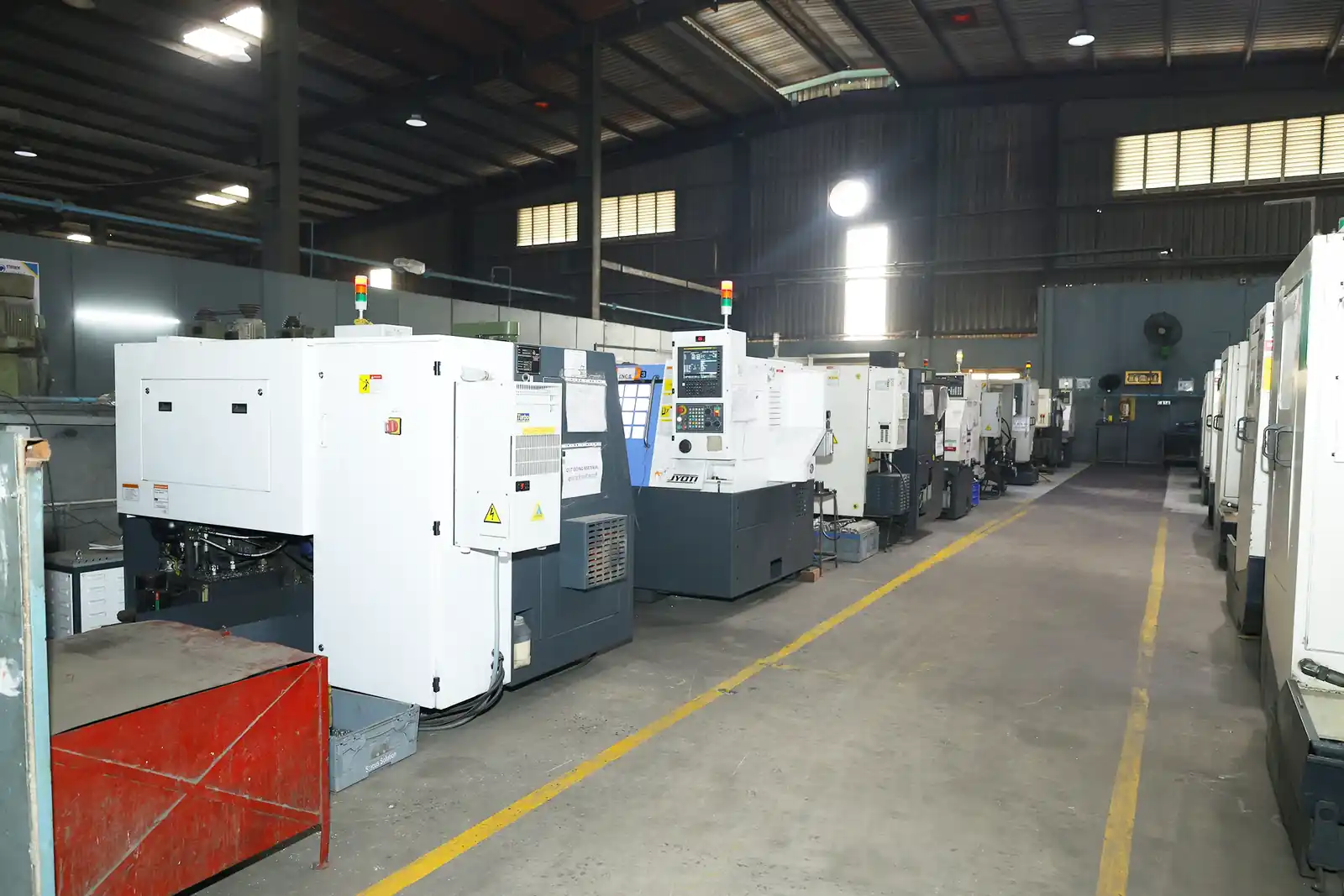
Overview
Multi-Axis CNC Machining (3 / 4 / 5 Axis)
Multi-axis machining moves the tool and part through four or five simultaneous axes, reaching complex contours, undercuts and angled features that fixed 3-axis machining cannot.
Marcus uses multi-axis machining for demanding components where geometry, finish and single-setup accuracy are critical.
CapabilityCNC Machining
DeliveryBuild-to-print, in-house managed
QualityIATF 16949 & ISO 9001
Typical materials
AluminiumSteel and stainless steelTitaniumSuperalloys
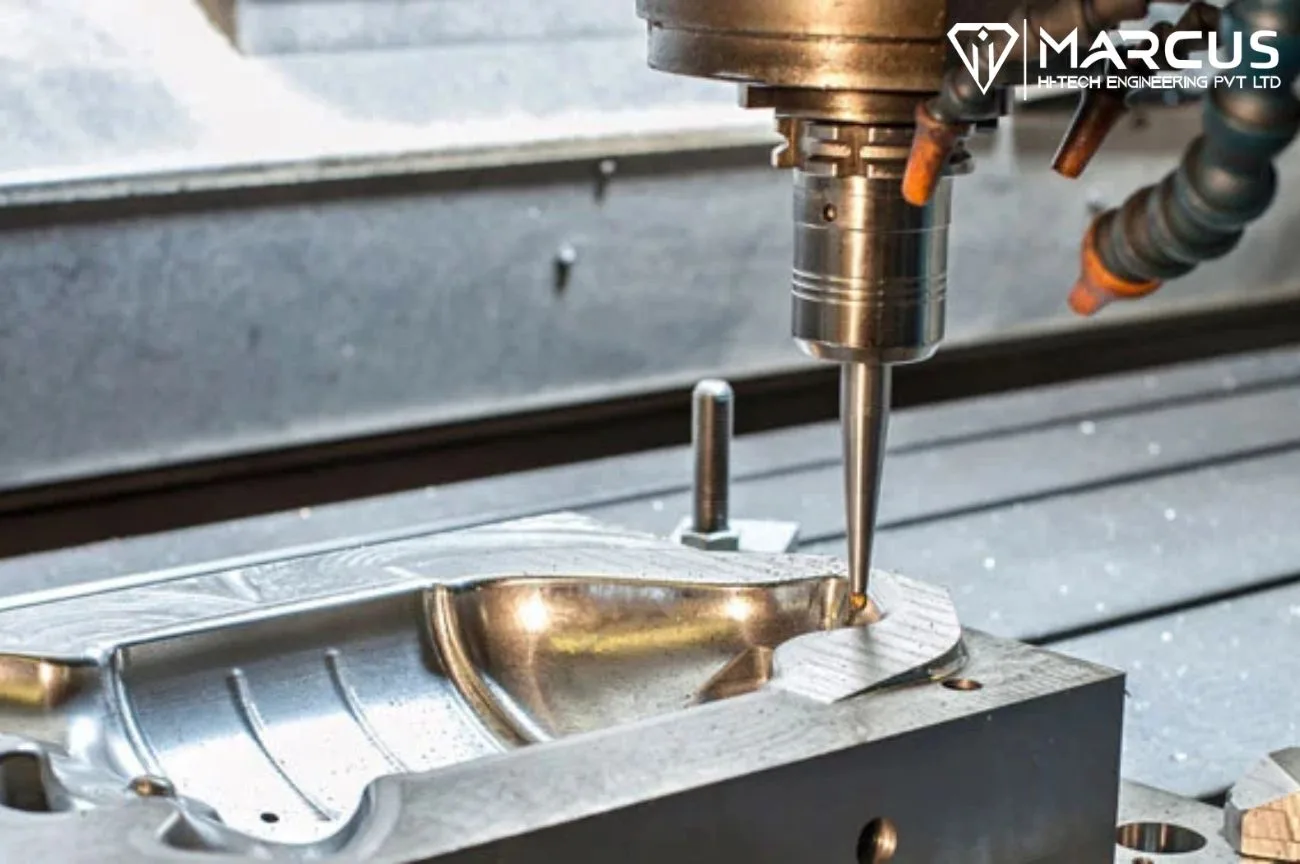
3/4/5 Axis Capabilities
✓4- and 5-axis simultaneous machining
✓Complex contours and undercuts
✓Angled faces and features in one setup
✓Superior surface finish
✓Reduced setups and higher accuracy
✓Aerospace- and medical-grade parts
Components Produced with 3/4/5 Axis
✓Impellers and turbine parts
✓Complex housings
✓Medical components
✓Aerospace brackets
✓Precision tooling
✓Contoured mechanical parts
Explore CNC Machining
Part of our CNC Machining capability. Explore the related processes we offer under one accountable partner.
Capacity & specifications
Multi-Axis CNC Machining (3 / 4 / 5 Axis) Capacity
Machine tonnage, material grades and lead times as quoted in the Marcus capability profile.
Processes
VMC 3 / 4 / 5 axis
Turning
Turn-mill
VTL
Lead times
- 2 weeksFAIR samples
- 4–6 weeksProduction
Materials
Material family
Grades
Aluminium
60636061600560827005
Steel
Carbon steelStainless steel
Copper
Titanium
Secondary operations
CNC machiningPowder coatingWet paintingAnodisingPlatingHeat treatmentBead / shot blasting
IATF 16949:2016 & ISO 9001:2015Certified quality system, with APQP, PPAP, FMEA and SPC documentation on every programme.