Metal Enclosure: Types, Materials, Applications & Buying Guide
Select the right metal enclosure with ease. Learn types, materials, IP ratings, and expert selection tips.
Read article →
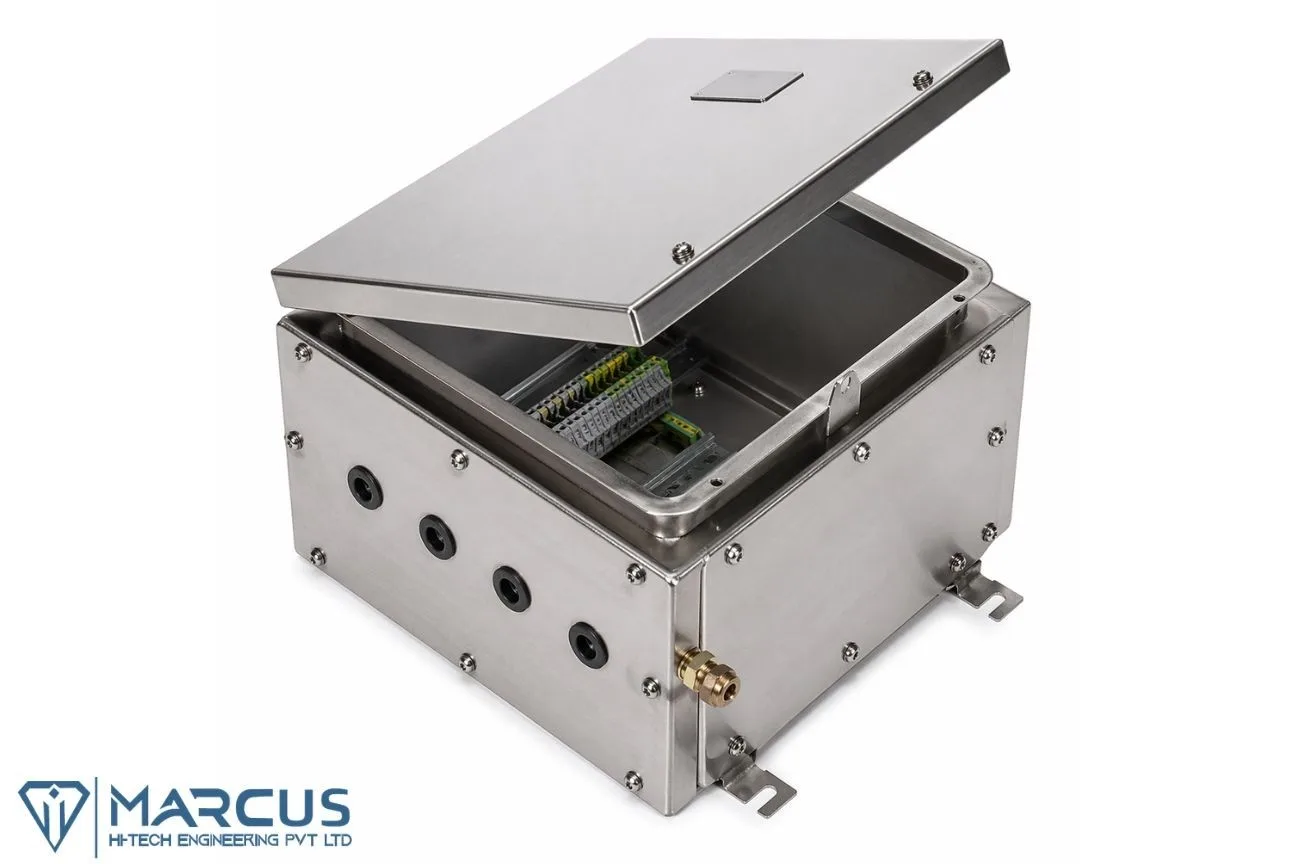
Not all environments are forgiving. In medical facilities, industrial sites, and outdoor deployments, electronic systems face strict requirements for safety, cleanliness, and protection.
That’s why metal medical enclosures and IP68 metal enclosures are designed to go beyond basic protection—they’re built for extreme precision and compliance.
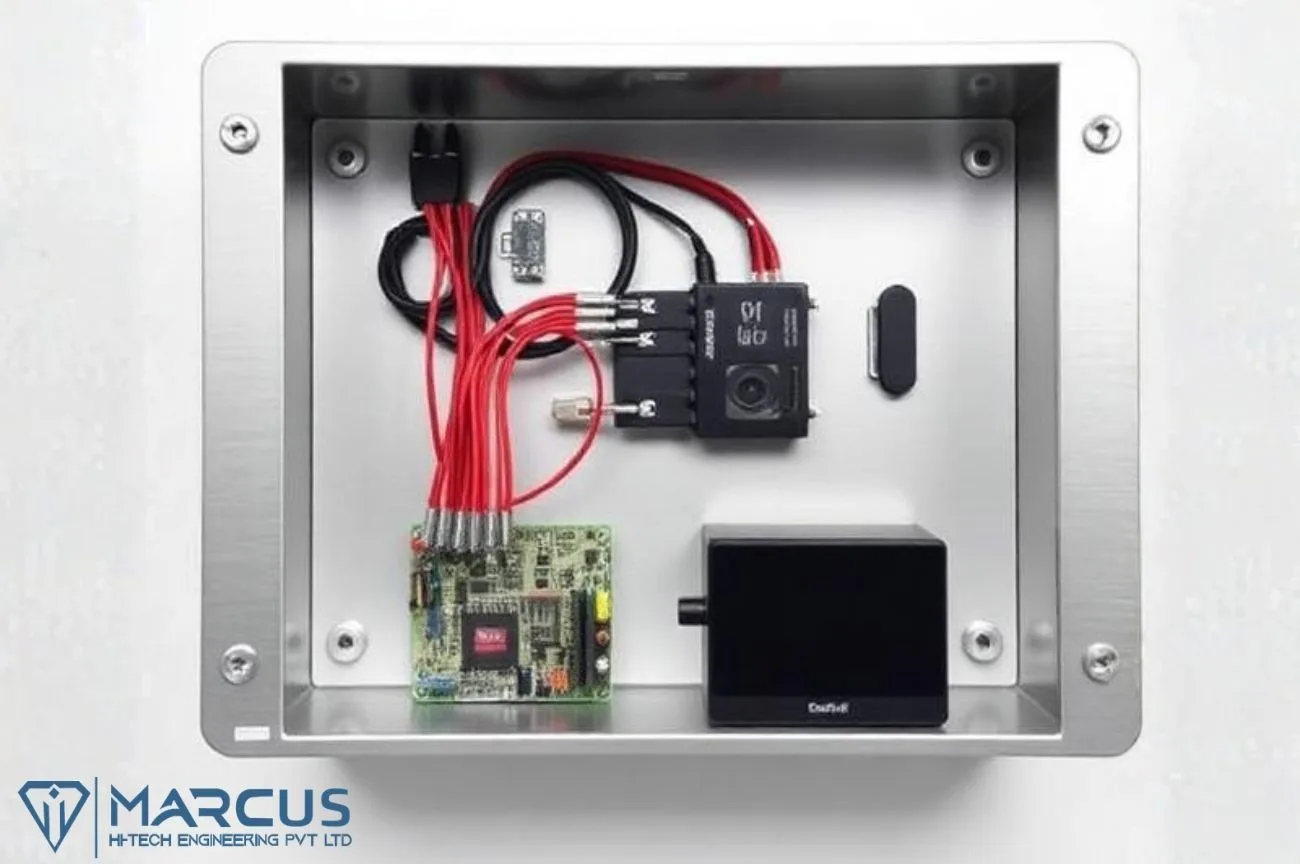
Medical electronics demand a higher standard than most industries. A metal medical enclosure must balance hygiene, safety, and reliability without compromising device performance.
Medical environments require frequent sterilization. Smooth metal finishes—often stainless steel or coated aluminum—reduce contamination risks and allow safe cleaning with harsh disinfectants.
Hospitals are filled with sensitive equipment. Metal enclosures help shield devices from electromagnetic interference (EMI), ensuring accurate readings and stable operation.
Proper grounding and insulated design reduce electrical risks, which is critical in life-support systems, diagnostic tools, and monitoring equipment.
An IP68 metal enclosure represents one of the highest levels of environmental protection available for electronic housings.
This combination ensures devices remain fully operational even in extreme environments.
Where IP68 Enclosures Are Used
IP68-rated metal housings are common in:
Achieving IP68 certification isn’t just about seals—it also depends on structural integrity.
Metal enclosures maintain dimensional stability under pressure, helping gaskets and seals perform reliably over time.
Materials like stainless steel and treated aluminum ensure durability even in corrosive or high-impact environments.
Unlike plastic, metal does not warp easily under temperature changes, making it ideal for maintaining waterproof integrity.
For metal medical enclosures, stainless steel is often preferred due to its corrosion resistance, cleanliness, and strength.
Aluminum is widely used in portable or compact systems where weight reduction matters without sacrificing protection.
Powder-coated steel offers a balance between affordability and environmental resistance, suitable for industrial-grade IP68 applications.
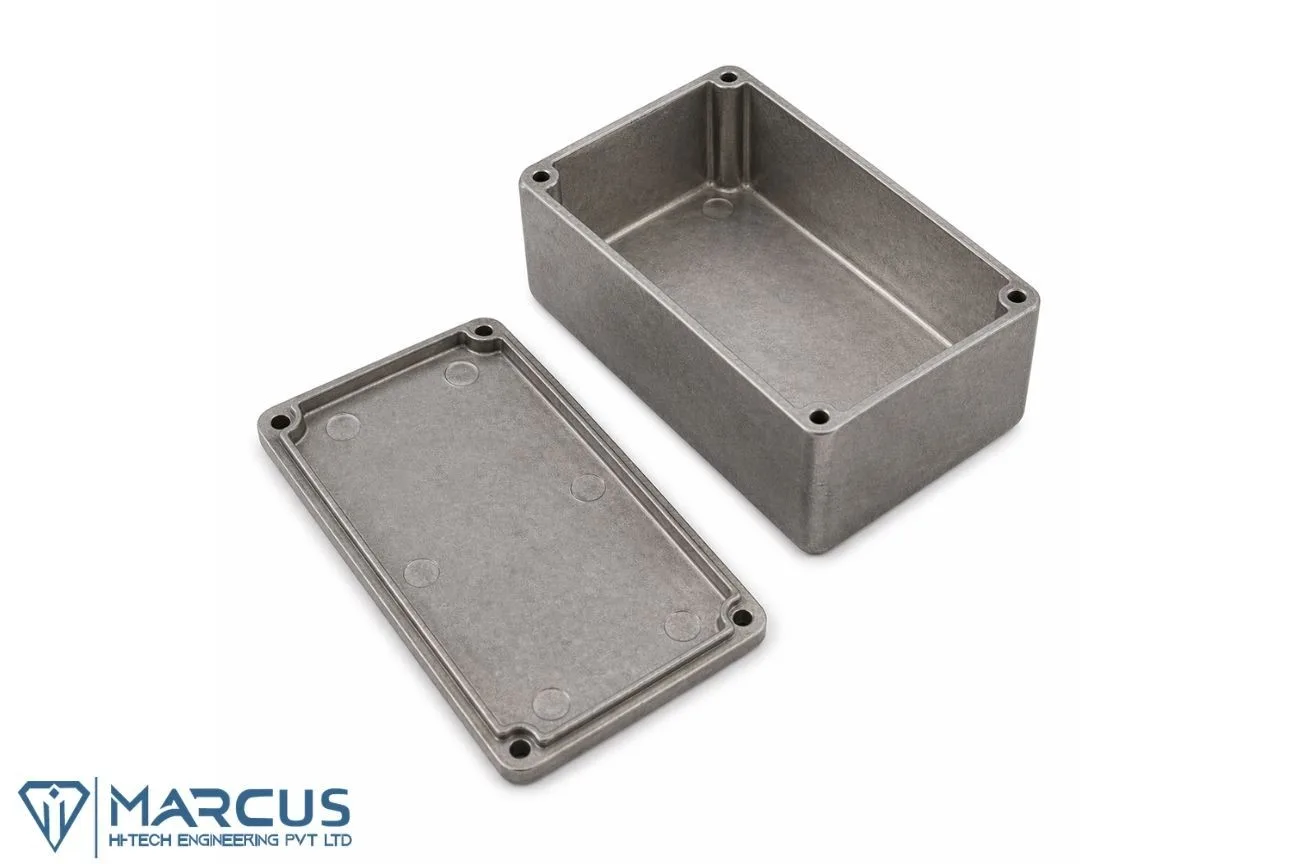
Fewer joints mean fewer weak points. Welded or precision-machined designs improve both hygiene and waterproof performance.
Sealed cable glands and connectors prevent moisture ingress while maintaining system connectivity.
Even sealed enclosures must handle heat. Passive heat sinks or external fins help maintain safe operating temperatures.
Medical and industrial devices often require precise installation options, including wall mounts, rack systems, or embedded setups.
Even high-quality enclosures can fail if key factors are ignored:
These mistakes can lead to system failure or certification issues.
Each application demands a different balance of protection, accessibility, and durability.
Both metal medical enclosures and IP68 metal enclosures are designed for environments where failure is not an option. Whether it’s protecting sensitive medical equipment or shielding electronics from water and dust, these specialized enclosures play a critical role in system reliability.
The right design doesn’t just protect hardware—it ensures performance, safety, and compliance in the most demanding conditions.
More process, tooling, and sourcing notes from the Marcus engineering team.
Select the right metal enclosure with ease. Learn types, materials, IP ratings, and expert selection tips.
Read article →Enhance electronics safety with metal enclosures. Control heat, block EMI, and prevent damage. Learn design tips.
Read article →Improve generator performance with metal enclosures—durable, noise-reducing, and protective. Explore design tips.
Read article →