Metal Enclosures for Generators | Safety & Durability
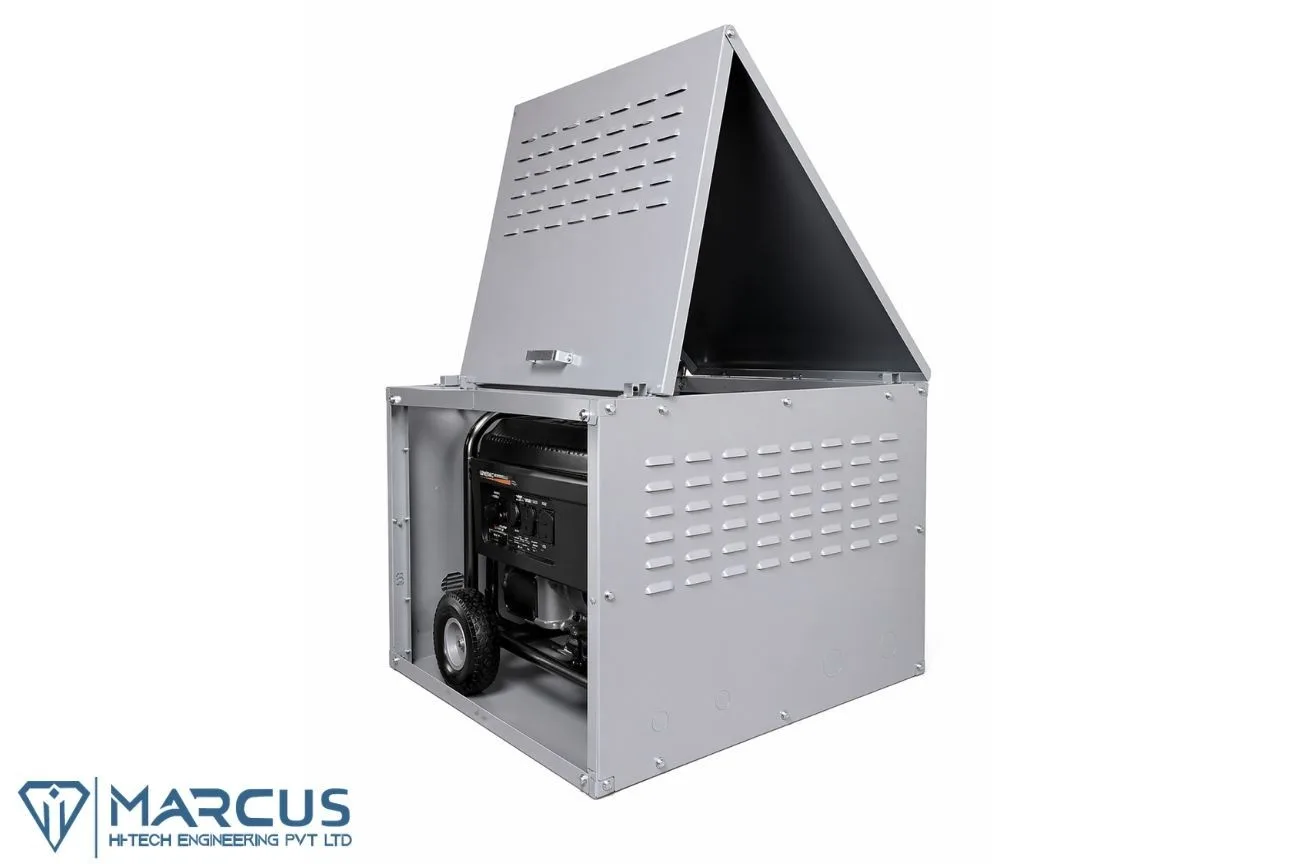
Improve generator performance with metal enclosures—durable, noise-reducing, and protective. Explore design tips.
Read article →
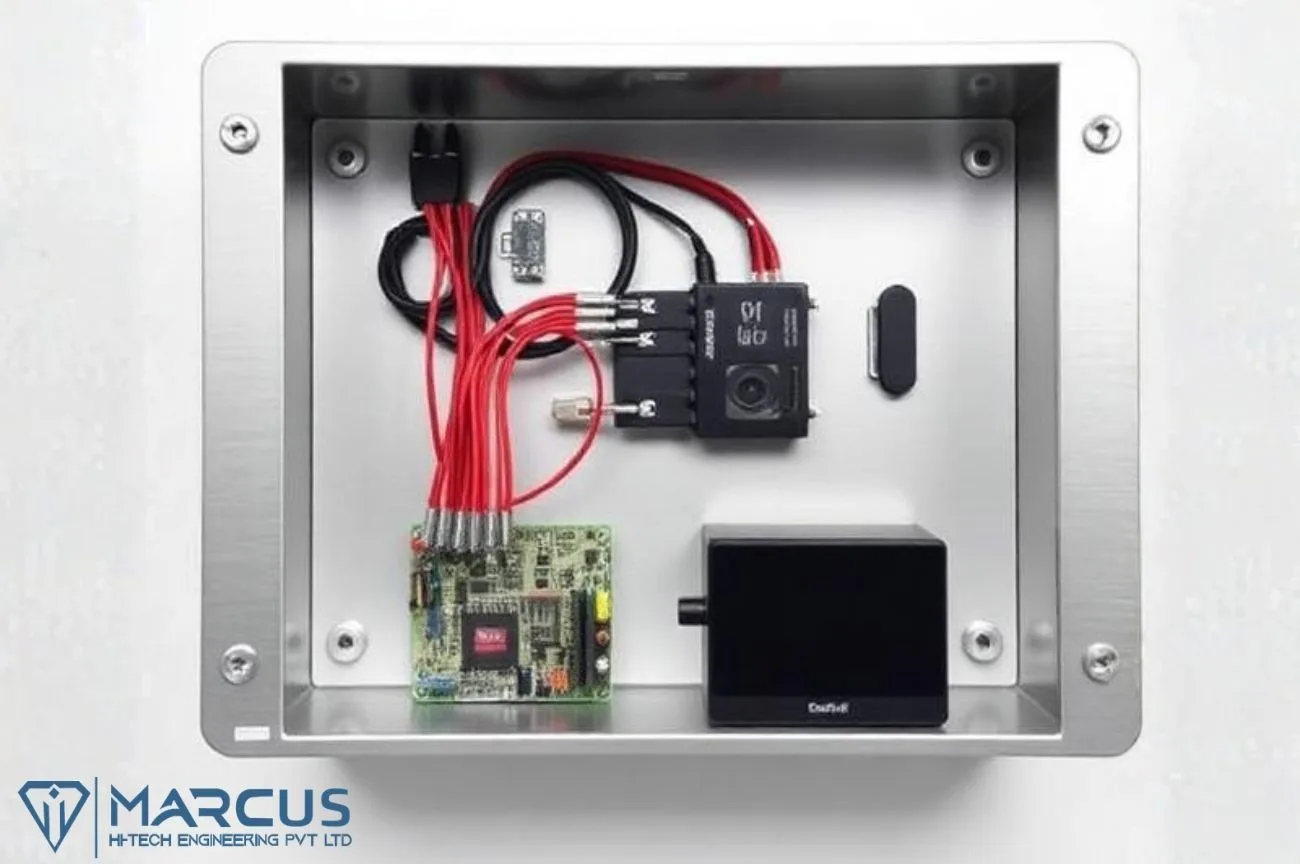
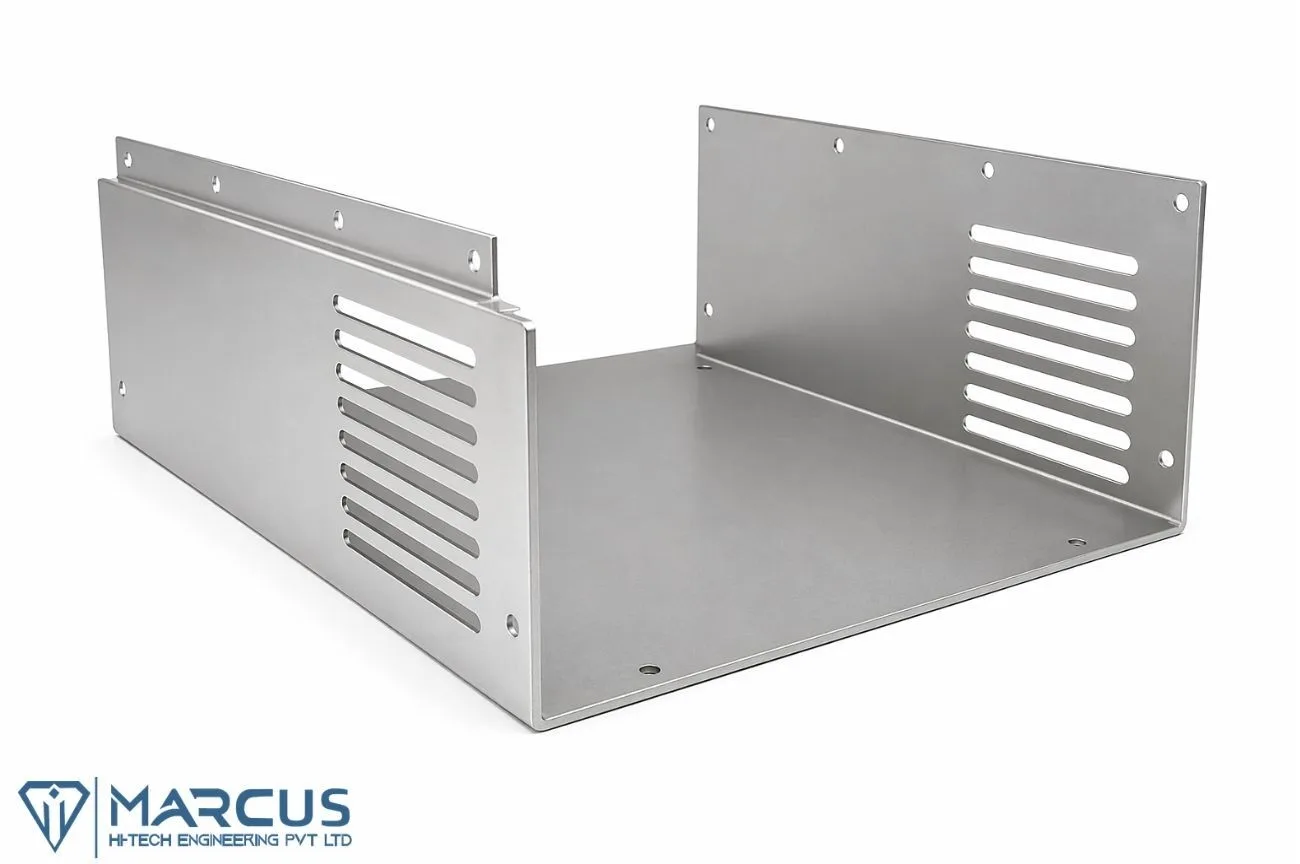
Electronic systems are becoming more compact, powerful, and sensitive. As complexity increases, so does the need for reliable protection. Metal enclosures are not just outer shells—they directly influence performance, lifespan, and safety.
From industrial control units to compact IoT devices, the right enclosure ensures electronics function consistently in real-world conditions.
Unlike general-purpose housings, electronic enclosures must address specific technical challenges. Components generate heat, emit electromagnetic signals, and often operate in unpredictable environments.
A poorly designed enclosure can lead to:
This is why material choice and structural design matter just as much as the electronics inside.
Metal naturally blocks electromagnetic and radio frequency interference. This is critical for devices such as communication systems, medical equipment, and precision instruments where signal stability is essential.
Metals like aluminum dissipate heat efficiently. Instead of trapping heat, they help regulate internal temperatures, reducing the need for complex cooling systems.
Electronics are vulnerable to vibration, impact, and accidental drops. A rigid metal housing minimizes these risks, especially in industrial or field environments.
Metal enclosures can be grounded, adding an extra layer of electrical safety that plastic alternatives cannot provide.
Each metal brings different advantages depending on the application:
Aluminum
Steel
Stainless Steel
Designers often integrate:
The enclosure should work with the thermal design, not against it.
Component placement inside the enclosure affects airflow, accessibility, and signal integrity. Efficient layouts reduce interference and simplify maintenance.
Openings for cables must be carefully designed to maintain protection while allowing easy connectivity. Gaskets or sealed connectors are often used.
Depending on usage, enclosures may require protection against dust and water. Higher IP ratings are essential for outdoor or harsh environments.
Metal enclosures are used across a wide range of electronic systems:
Each application has unique requirements, but all benefit from the stability and protection metal provides.
Off-the-shelf enclosures don’t always meet performance or branding needs. Customization allows for:
Custom designs ensure the enclosure aligns perfectly with the device’s function and user experience.
Even well-built enclosures can fail if key aspects are overlooked:
Addressing these early in the design phase prevents costly redesigns later.
The role of enclosures is evolving alongside technology:
Metal enclosures are an integral part of electronic system design. They influence everything from thermal performance to signal reliability and physical durability.
Choosing the right enclosure isn’t just about protection—it’s about ensuring the entire system performs as intended under real-world conditions.
More process, tooling, and sourcing notes from the Marcus engineering team.
Improve generator performance with metal enclosures—durable, noise-reducing, and protective. Explore design tips.
Read article →Discover sheet metal enclosures—flexible design, fabrication methods, and custom solutions for industrial use.
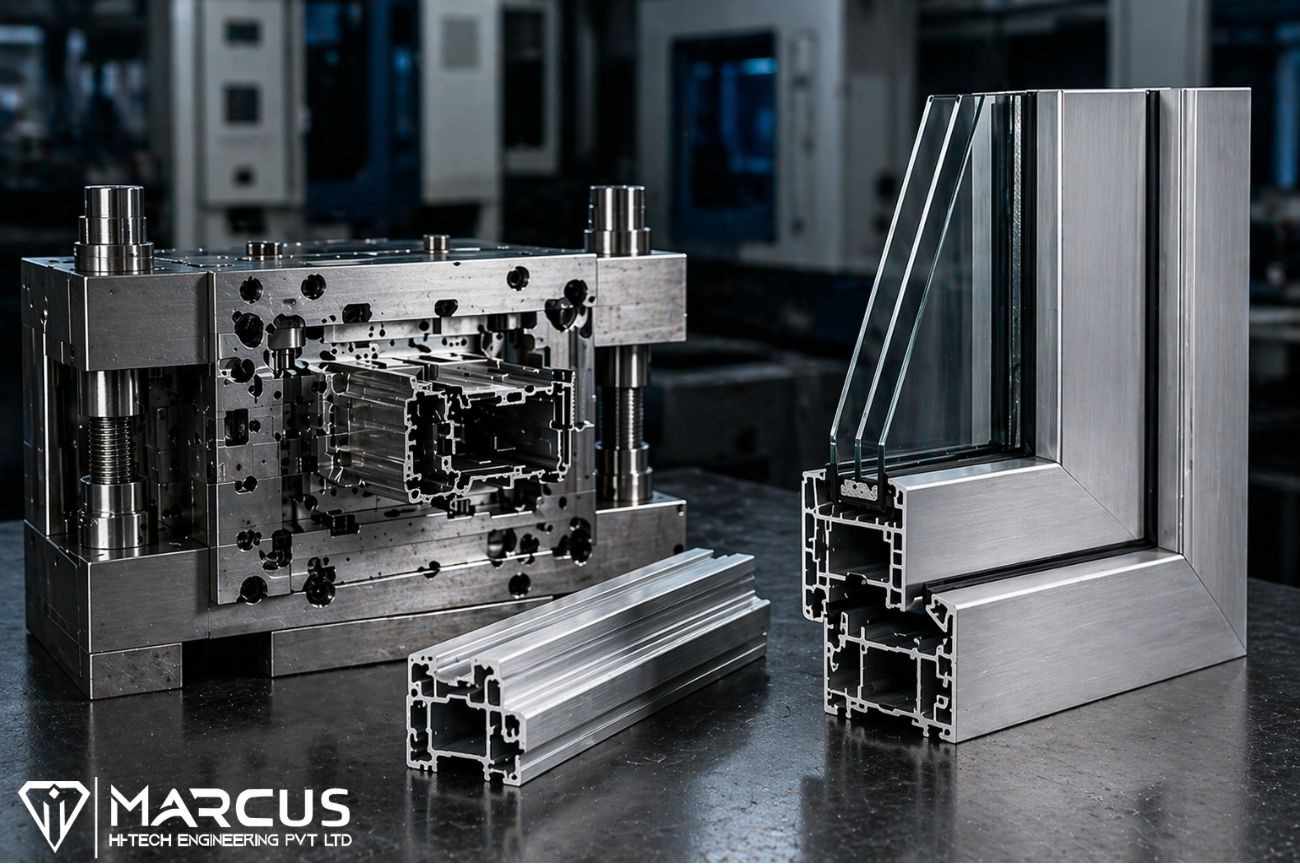
Read article →High-strength aluminum extrusions for window & glazing systems. Custom designs, anodized finishes & rapid B2B prototyping.
Read article →