


- By ajith
- 22 Apr 2026
- No Comments
The Complete Guide to Metal Enclosures
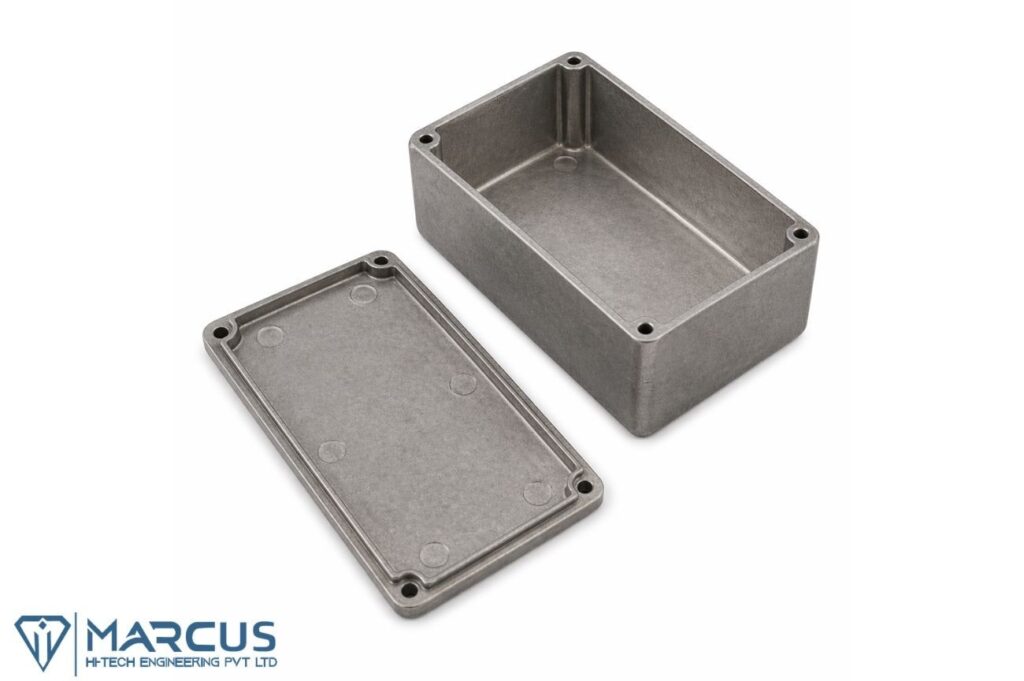
A metal enclosure is one of the most critical components in any electrical or electronic system. From factory floors to telecom towers and outdoor installations, the right metal enclosure shields sensitive equipment from dust, moisture, heat, and impact — ensuring safety, compliance, and long service life.
This guide covers everything you need to know about metal enclosures: types, materials, ratings, applications, and how to choose the best one for your needs.
What Is a Metal Enclosure?
A metal enclosure is a protective housing fabricated from materials such as mild steel, aluminum, or stainless steel. It is engineered to contain and protect internal components — circuit boards, wiring, controls — from environmental and physical threats.
Metal enclosures are widely used for:
- Electrical panels and distribution boards
- Industrial control systems and PLCs
- Outdoor electronic equipment
- Telecommunications hardware
- Power monitoring and automation systems
Unlike plastic housings, a metal enclosure offers superior rigidity, EMI shielding, and fire resistance, making it the preferred choice for demanding applications.
Key Benefits of a Metal Enclosure
Exceptional Durability and Strength
A metal enclosure withstands heavy impact, mechanical stress, and vibration — qualities essential in industrial and heavy-duty environments where plastic enclosures simply fail.
Environmental Protection
Properly rated metal enclosures guard against dust ingress, water splashes, jets, and full submersion, depending on their IP or NEMA rating. This makes them suitable for both indoor and outdoor installations.
EMI/RFI Shielding
Metal inherently blocks electromagnetic interference (EMI) and radio frequency interference (RFI). A metal enclosure is the go-to solution when protecting sensitive electronics from signal disruption.
Fire Resistance
Metal enclosures do not ignite or melt under high heat, providing a critical safety barrier in environments where fire risk is a concern.
Long Service Life
With appropriate surface treatments — powder coating, galvanizing, or anodizing — a metal enclosure resists corrosion and maintains structural integrity for decades.
Types of Metal Enclosures
Not all metal enclosures are built the same. Understanding the main types helps you match the enclosure to your application.
Wall-Mount Metal Enclosures
Designed to be fixed directly to a wall or panel, these are ideal for electrical distribution boxes, junction boxes, and control panels in factories or buildings.
Floor-Standing / Free-Standing Enclosures
Large metal enclosures that stand independently, commonly used for server racks, large switchgear, and industrial automation cabinets.
Rack-Mount Enclosures
Standardized 19-inch rack metal enclosures used in data centers, networking rooms, and telecom installations.
Outdoor Metal Enclosures
Built with high IP ratings (IP65, IP66, IP67), outdoor metal enclosures protect equipment from rain, UV exposure, dust, and temperature extremes.
Explosion-Proof Enclosures
Specialized metal enclosures designed for hazardous environments where flammable gases or dust are present — commonly used in oil, gas, and chemical industries.
Common Materials for Metal Enclosures
The material you choose directly impacts the performance, weight, cost, and longevity of your metal enclosure.
Mild Steel
- High strength and cost-effective
- Requires surface treatment (powder coat or galvanizing) to prevent rust
- Best for: indoor industrial environments, control panels
Aluminum
- Lightweight and naturally corrosion-resistant
- Excellent thermal conductivity for heat dissipation
- Best for: electronics, outdoor applications, portable equipment
Stainless Steel
- Outstanding corrosion and chemical resistance
- Easy to clean and maintain
- Best for: food processing, pharmaceutical, marine, and medical applications
The right material for your metal enclosure depends on the environment, weight requirements, and budget.
IP and NEMA Ratings for Metal Enclosures
A rating system helps you select a metal enclosure with the appropriate level of protection.
IP Ratings (IEC 60529)
The IP (Ingress Protection) rating uses two digits to define protection against solids and liquids. For example:
- IP54 – Dust-protected, splash-resistant (light indoor/outdoor use)
- IP65 – Dust-tight, protected against water jets (outdoor standard)
- IP67 – Dust-tight, immersion-resistant up to 1 meter
NEMA Ratings
In North America, NEMA ratings define enclosure protection levels. NEMA 4 and NEMA 4X metal enclosures are the most common for harsh environments, with 4X also offering corrosion resistance.
Always verify the IP or NEMA rating of a metal enclosure before purchasing for outdoor or wet environments.
Applications of Metal Enclosures
Metal enclosures serve across virtually every industry that relies on electrical or electronic systems:
- Manufacturing & Automation – Housing PLCs, motor drives, and HMIs on production lines
- Energy & Power Distribution – Protecting switchgear, metering equipment, and solar inverters
- Telecommunications – Outdoor cabinets for base stations and fiber optic equipment
- Transportation – Enclosures for railway signaling, EV charging stations, and traffic control
- Oil & Gas – Explosion-proof metal enclosures for hazardous zone equipment
- Medical & Food Processing – Stainless steel enclosures that meet hygiene and sanitation standards
How to Choose the Right Metal Enclosure
Selecting the best metal enclosure for your application involves several key decisions:
Define the Environment
Is the metal enclosure for indoor, outdoor, wet, dusty, or corrosive conditions? This determines the required IP/NEMA rating and the ideal material.
Calculate the Right Size
Measure all internal components — including wiring, DIN rails, and heat-generating parts — and allow 20–30% extra space for future expansion or maintenance access.
Assess Thermal Management
Electronics generate heat. Determine whether your metal enclosure needs passive ventilation (vents and louvers), active cooling (fans), or climate control units.
Consider Mounting and Installation
Wall-mount, pole-mount, or floor-standing? Choose a metal enclosure with the right mounting options for your installation site.
Surface Finish and Coating
For outdoor or corrosive environments, ensure the metal enclosure features a powder coat, galvanized finish, or anodized surface appropriate for the exposure level.
Certifications and Compliance
Look for metal enclosures that meet UL, CE, IEC, or ATEX certifications relevant to your industry and region.
Custom Metal Enclosures
Standard off-the-shelf metal enclosures don’t always fit every application. Custom metal enclosures allow you to specify exact dimensions, cutouts, finishes, and accessories.
Common customization options include:
- CNC machining and laser cutting – Precise cutouts for connectors, displays, and cable glands
- Powder coating – Any RAL color for branding or environment suitability
- Silk-screen printing or labeling – Branding, safety markings, or wiring diagrams
- DIN rail and mounting plate fabrication – Pre-configured interiors for fast installation
- Gasketing and sealing – Enhanced IP ratings for demanding environments
Custom metal enclosures are especially valuable for OEMs, system integrators, and projects with non-standard dimensions or specialized requirements.
Metal Enclosure vs. Plastic Enclosure: Which Should You Choose?
| Feature | Metal Enclosure | Plastic Enclosure |
|---|---|---|
| Strength | High | Moderate |
| EMI Shielding | Excellent | Poor |
| Weight | Heavier | Lighter |
| Fire Resistance | Superior | Lower |
| Corrosion Resistance | Corrosion Resistance | Generally good |
| Cost | Moderate to high | Lower |
| Customization | High | Moderate |
For most industrial, outdoor, and high-stakes electronic applications, a metal enclosure is the clear choice. Plastic enclosures may suit low-risk, lightweight, or consumer applications.
Conclusion
A well-chosen metal enclosure is more than a box — it’s the first and last line of defense for your equipment. By understanding the types, materials, IP ratings, and customization options available, you can confidently select a metal enclosure that meets your technical requirements, regulatory standards, and budget.
Whether you need a standard wall-mount steel enclosure or a fully custom stainless steel outdoor cabinet, the right metal enclosure will protect your investment and keep your systems running reliably for years to come.