Top Automotive Ignition Switch Manufacturers in India | OEM
Tired of faulty ignitions? Discover high-performance switches engineered for safety, longevity, and zero-failure starts.
Read article →
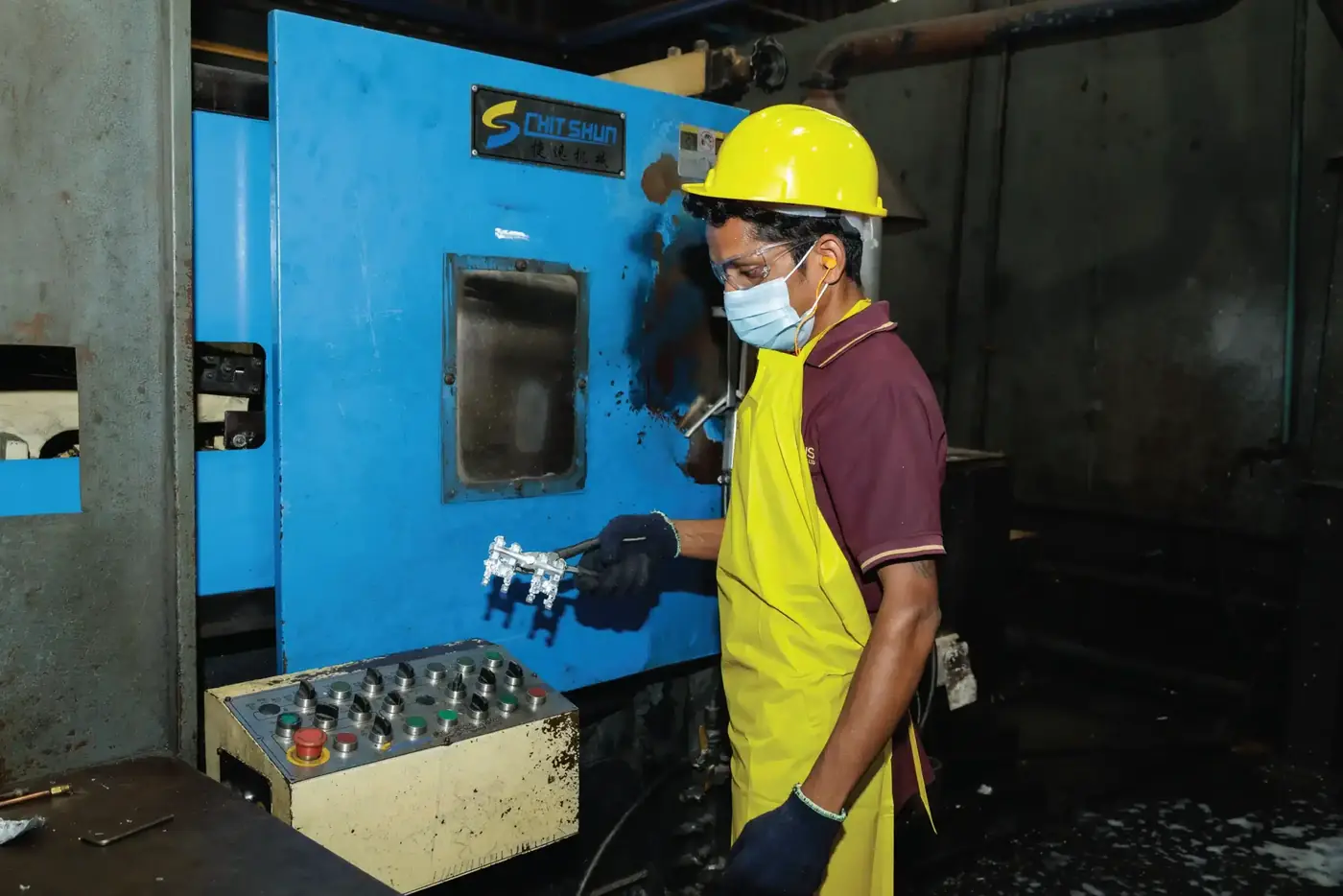
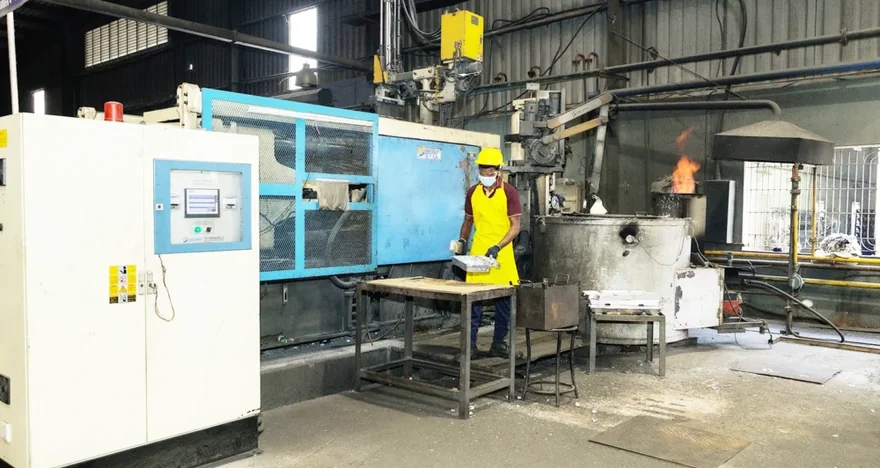
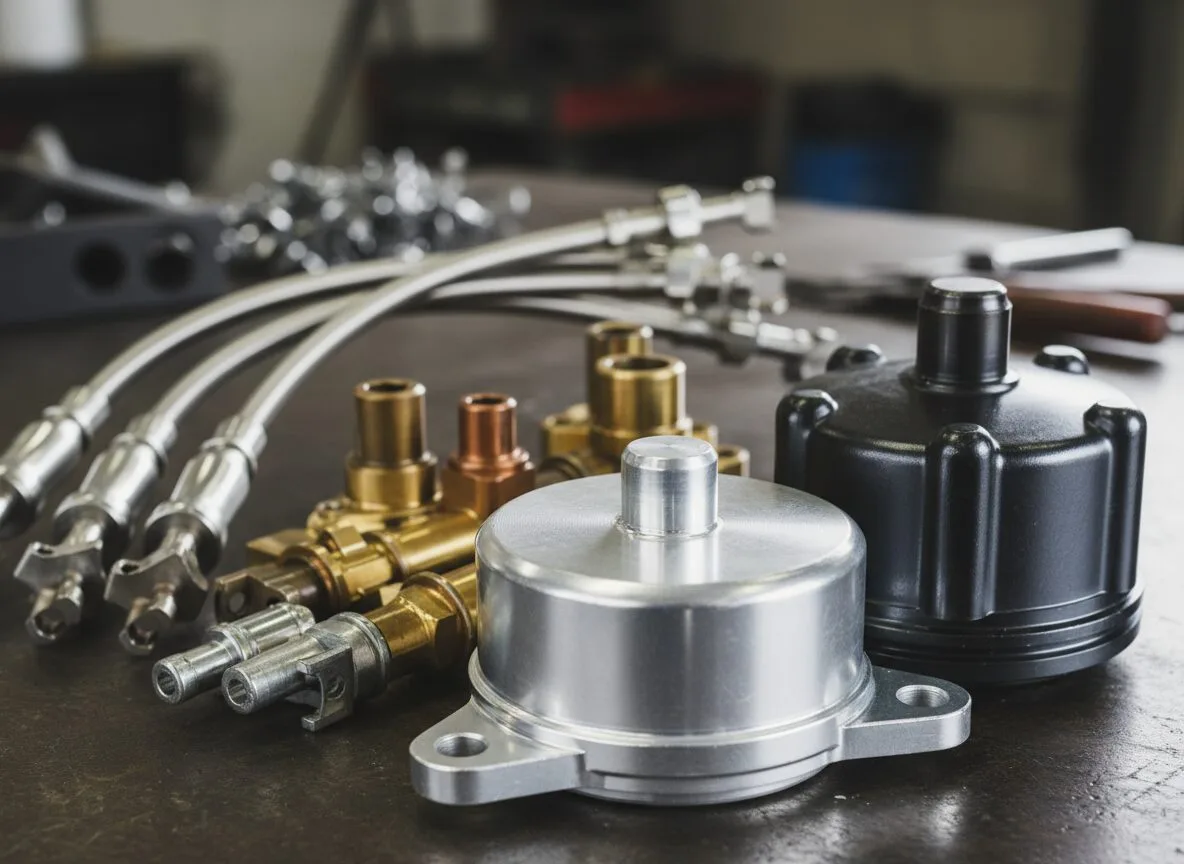
Die casting is a cornerstone of modern manufacturing, prized for its ability to produce high-precision metal components at scale. For industries like Automotive, EV, and Electronics, where consistency and surface finish are non-negotiable, die casting is often the superior choice.
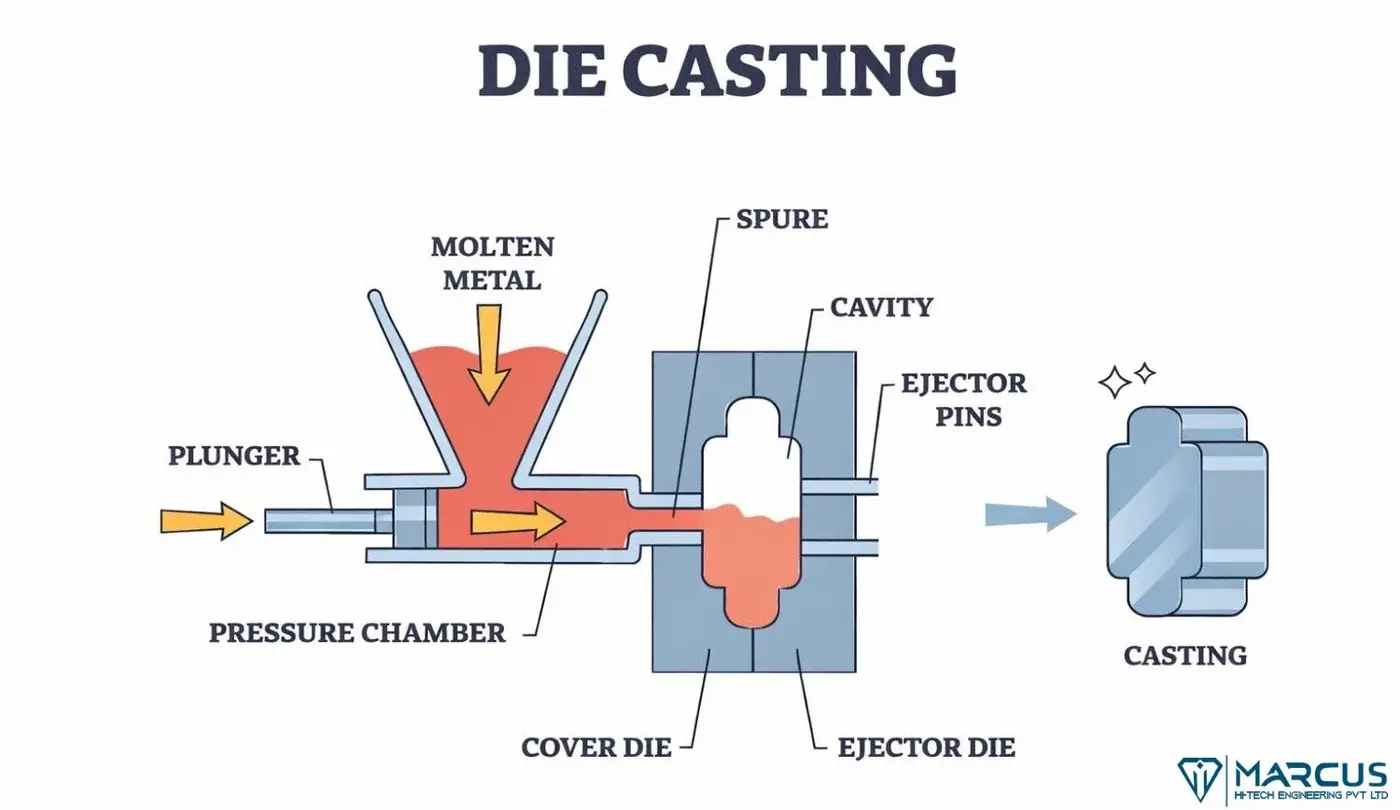
In technical terms, die casting is a manufacturing process where molten metal is injected into a hardened steel mold (the die) under extreme pressure.
In business terms, the die casting meaning refers to a high-efficiency method of shaping metal into complex, “near-net-shape” parts. By using reusable steel molds, manufacturers can achieve a level of repeatability that processes like sand casting simply cannot match.
The success of die casting lies in its controlled, high-speed sequence.
Metal Preparation: Metal alloys (typically Aluminum or Zinc) are melted in a furnace at strictly controlled temperatures to ensure proper flow.
The quality of the final part is only as good as the die casting tooling.
| Material | Key Advantages | Typical Applications |
|---|---|---|
| Aluminum | Lightweight, high strength, corrosion-resistant. | EV battery housings, engine parts, heat sinks |
| Zinc | Exceptional precision, thin walls, fast cycle times. | Intricate connectors, lock components, decorative trim. |
| Magnesium | Lowest weight, excellent vibration dampening. | Handheld electronics, aerospace brackets. |
While sand casting is cheaper for low-volume prototypes, die casting wins on volume. Die casting offers significantly better surface finishes and tighter tolerances, reducing the need for expensive secondary machining.
Investment casting offers extreme design freedom but is labor-intensive. Die casting is the winner for scalability, offering much faster cycle times and lower per-part costs for large production runs.
Die casting bridges the gap between precision engineering and high-volume scalability. Whether you are working with die casting aluminum for its strength-to-weight ratio or zinc alloys for intricate details, understanding the tooling and process steps is the first step toward manufacturing success.
More process, tooling, and sourcing notes from the Marcus engineering team.
Tired of faulty ignitions? Discover high-performance switches engineered for safety, longevity, and zero-failure starts.
Read article →Discover India's leading aluminium die casting suppliers for 2026. Get 2026 market data, CAGR insights, and the best HPDC partners for…
Read article →Top 10 India Die Casting Suppliers (2026): Best aluminum & zinc manufacturers for HPDC. Find high-quality casting experts.
Read article →