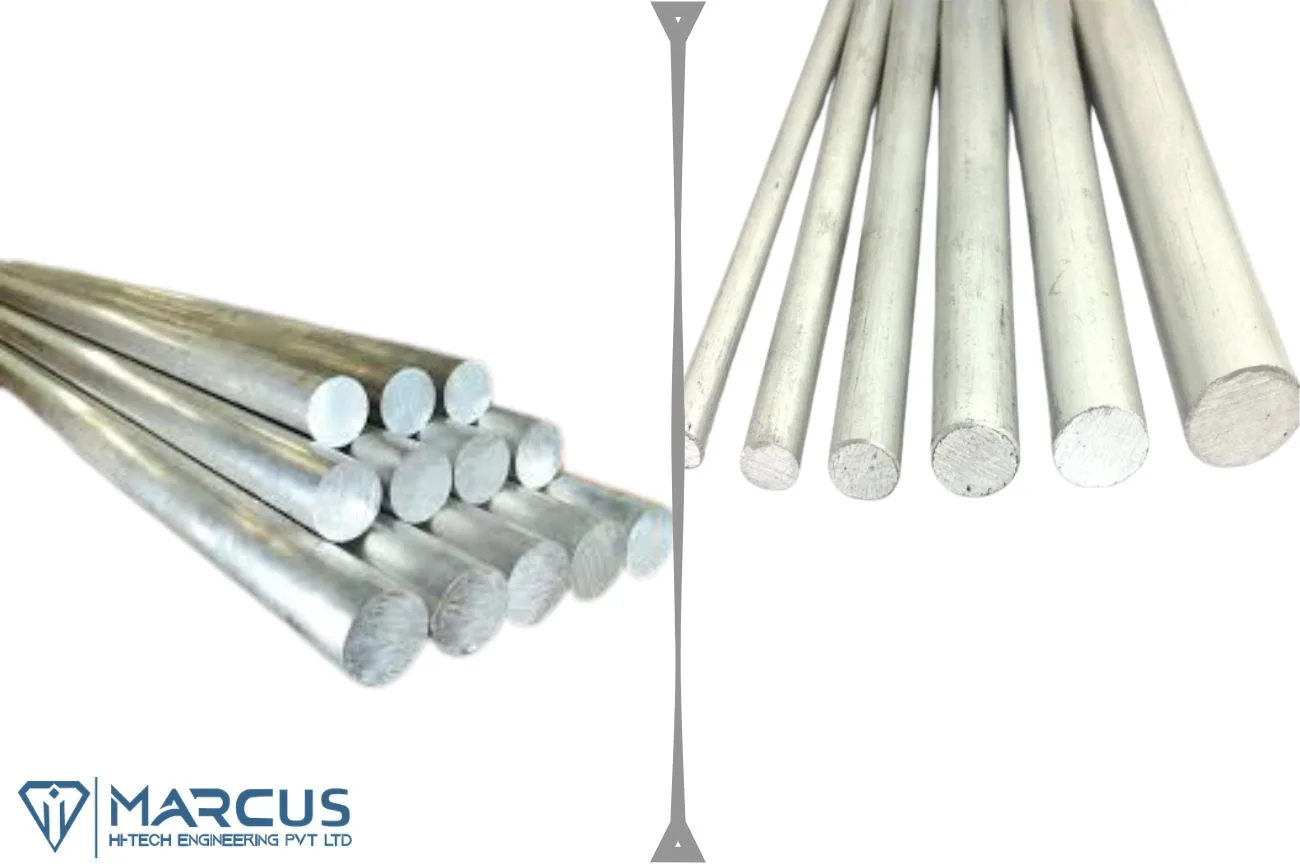
6061 vs. 7075 Aluminum: Which Alloy Is Best?
Analyze 6061 vs. 7075 aluminum. Compare strength, weldability, and cost to select the ideal alloy for high-spec engineering.
Read article →
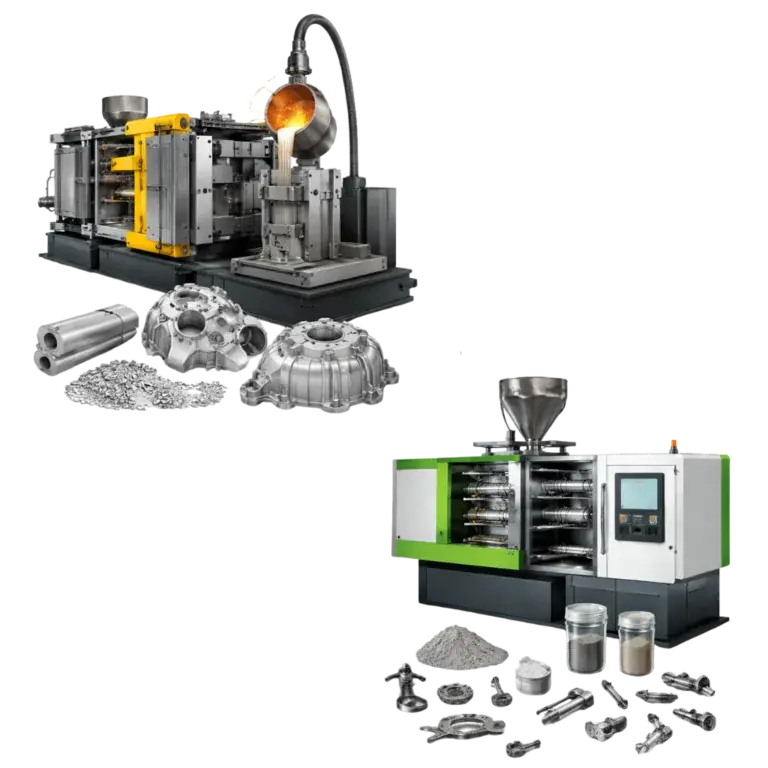
Choosing the right metal manufacturing process is critical for optimizing part performance and production costs. While both Die Casting and Metal Injection Molding (MIM) are proven industrial methods, they serve different requirements for part size, complexity, and material properties.
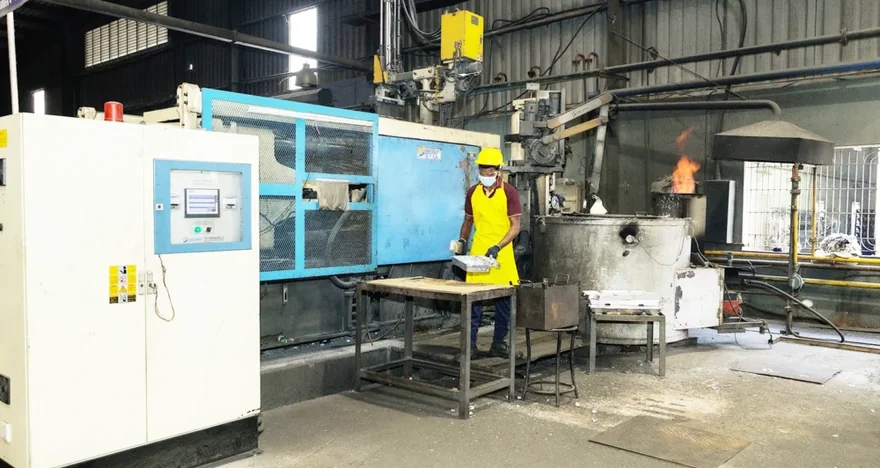
Die casting is a high-pressure manufacturing process where molten metal is injected into a hardened steel mold (die) at high speed and pressure. Once cooled, the mold opens and a dimensionally accurate, near-net-shape part is ejected.
Die casting uses non-ferrous materials such as aluminum, zinc, and magnesium, making it suitable for corrosion-resistant and lightweight applications.
It supports medium to large part sizes ranging from over 100g up to 20kg. The process has limitations in design complexity due to draft angle requirements, restricting undercuts and intricate geometries. Tooling costs are relatively high, typically ranging from $10,000 to $100,000 or more, due to hardened steel molds. It is optimized for high production volumes exceeding 10,000 parts per year. Mechanical strength is moderate, suitable for structural components but not as strong as sintered metals.
Metal Injection Molding supports ferrous metals and high-performance materials such as steel and titanium, enabling superior strength and durability.
It is best suited for small parts, typically under 100g, where precision and detail are critical. The process allows for highly complex geometries, including undercuts and threads, without additional machining. Tooling costs are moderate, generally ranging from $5,000 to $50,000. It is efficient for production volumes above 5,000 parts per year. Mechanical strength is high, offering superior hardness and corrosion resistance compared to die casting.
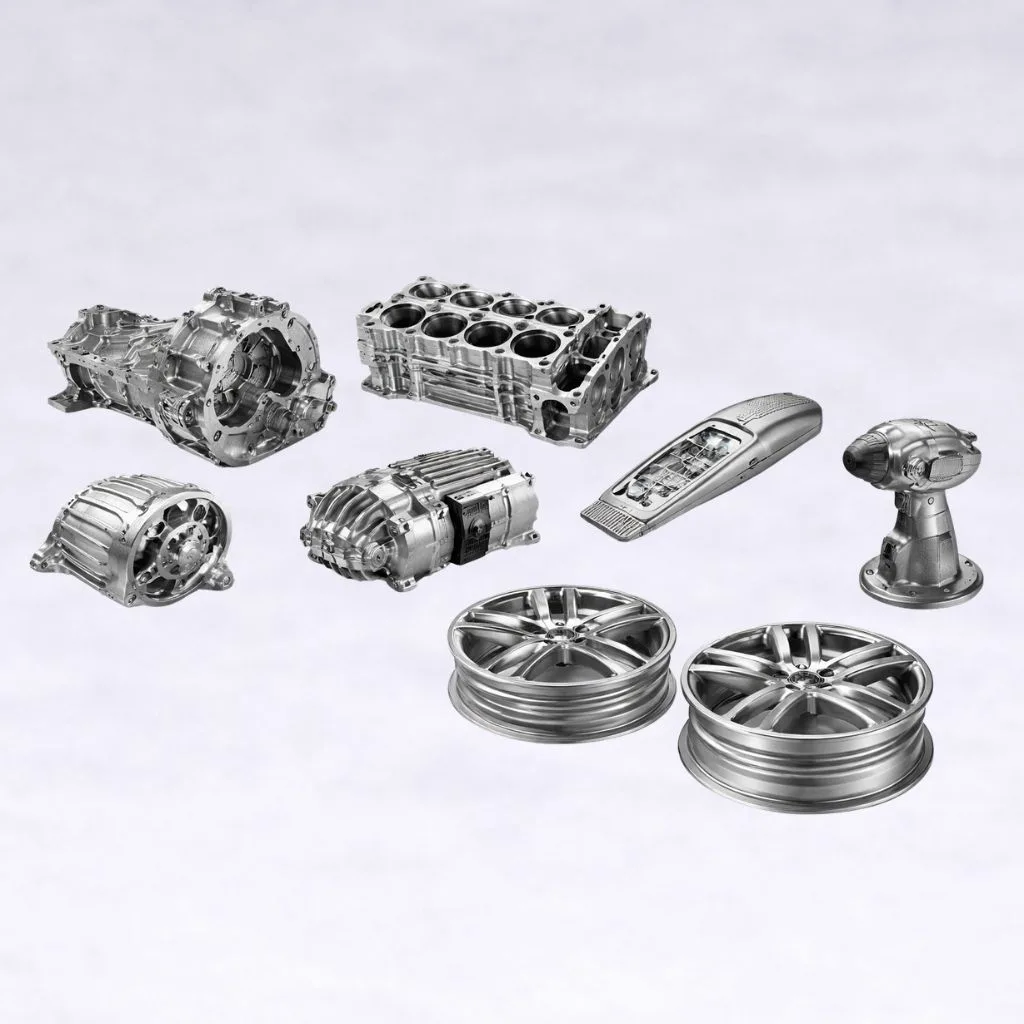
Widely used in the automotive, consumer electronics, and industrial equipment sectors. Common components include:
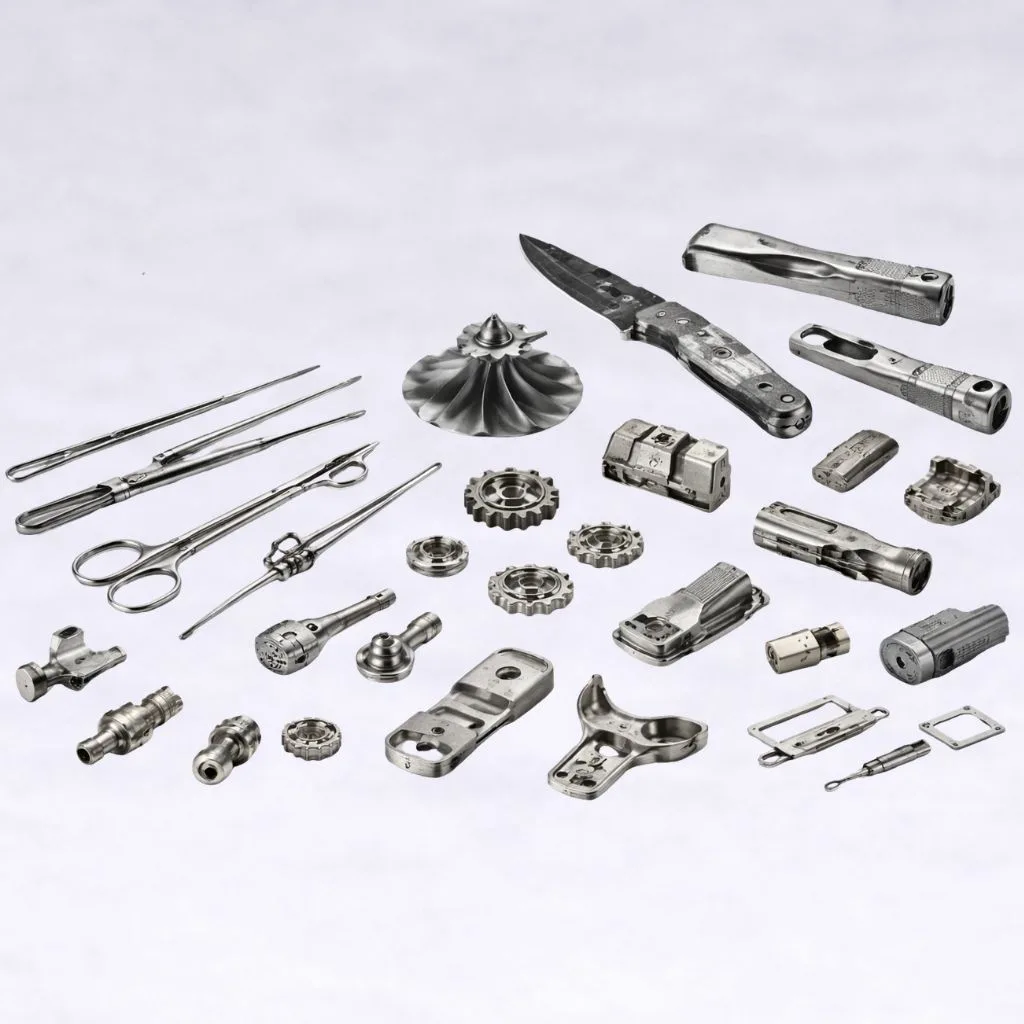
Preferred for medical, aerospace, and defense industries where precision is paramount. Common components include:
"We'd been turned away by three Houston shops before finding Marcus. They took our worn sample with no drawing, reverse engineered it, and had machined replacements ready in days. Zero dimensional deviations on the locomotive fuel line fittings." — Mike R., Procurement
Mike R.
Procurement Manager, Gulf Coast Railroad Services
"Our plastic drainage fittings required UHMW with extremely tight tolerances. Every shop we contacted either didn't machine plastics or couldn't hold the tolerances. The railroads custom pipe fittings CNC plastic machining here solved the problem completely — no back-and-forth, no rejections." —
Sandra T.
Engineering Lead, Southwest Rail Contractors
"We switched from cast manifold fittings to Marcus CNC-machined billet after persistent hydraulic leaks on our track maintenance vehicles. Not a single leak since. The surface finish difference is immediately visible." —
James K.
MRO Buyer, Texas Railroad Maintenance Co.
"Air-brake line fittings held perfect seal after an entire season in Gulf Coast humidity and heat. The material certs and test reports were ready with the shipment — our compliance audit went through without a single query." —
Carlos M.
Fleet Maintenance Supervisor, Houston Industrial Rail
More process, tooling, and sourcing notes from the Marcus engineering team.
Analyze 6061 vs. 7075 aluminum. Compare strength, weldability, and cost to select the ideal alloy for high-spec engineering.
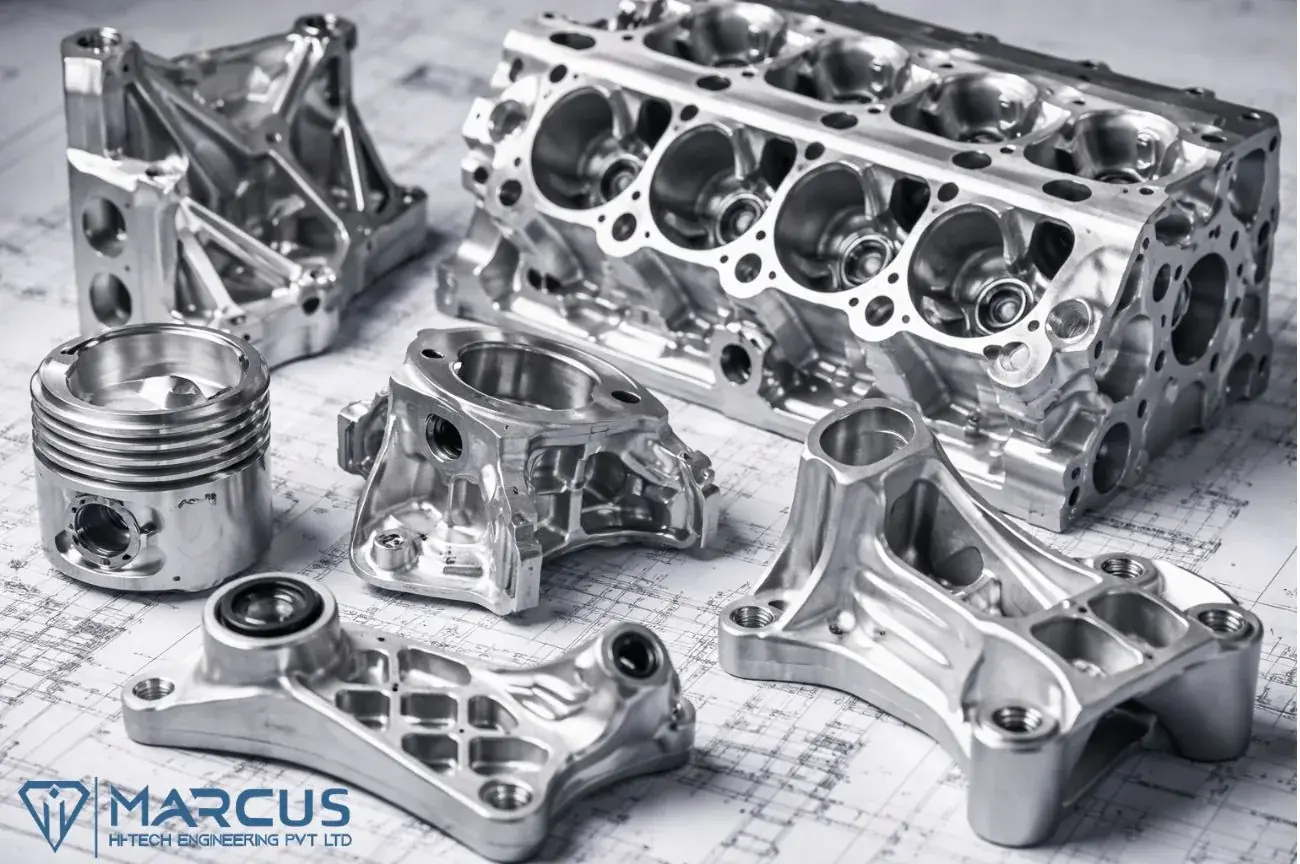
Read article →Marcus Manufacturing delivers ISO-certified aluminium auto parts—lightweight, high-strength engine components and brackets.
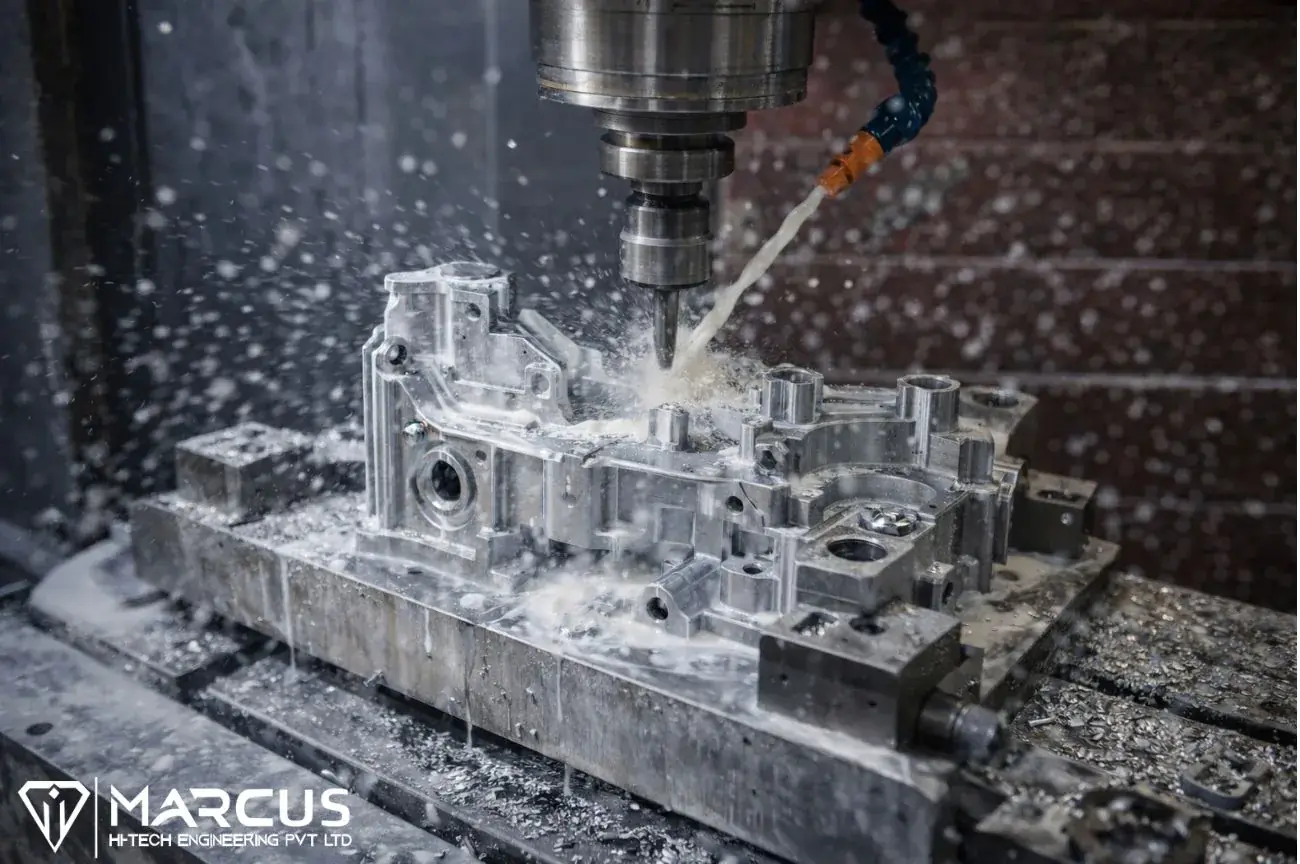
Read article →High-quality aluminium car parts with CNC precision. Lightweight, durable automotive components. Get a fast quote today.
Read article →