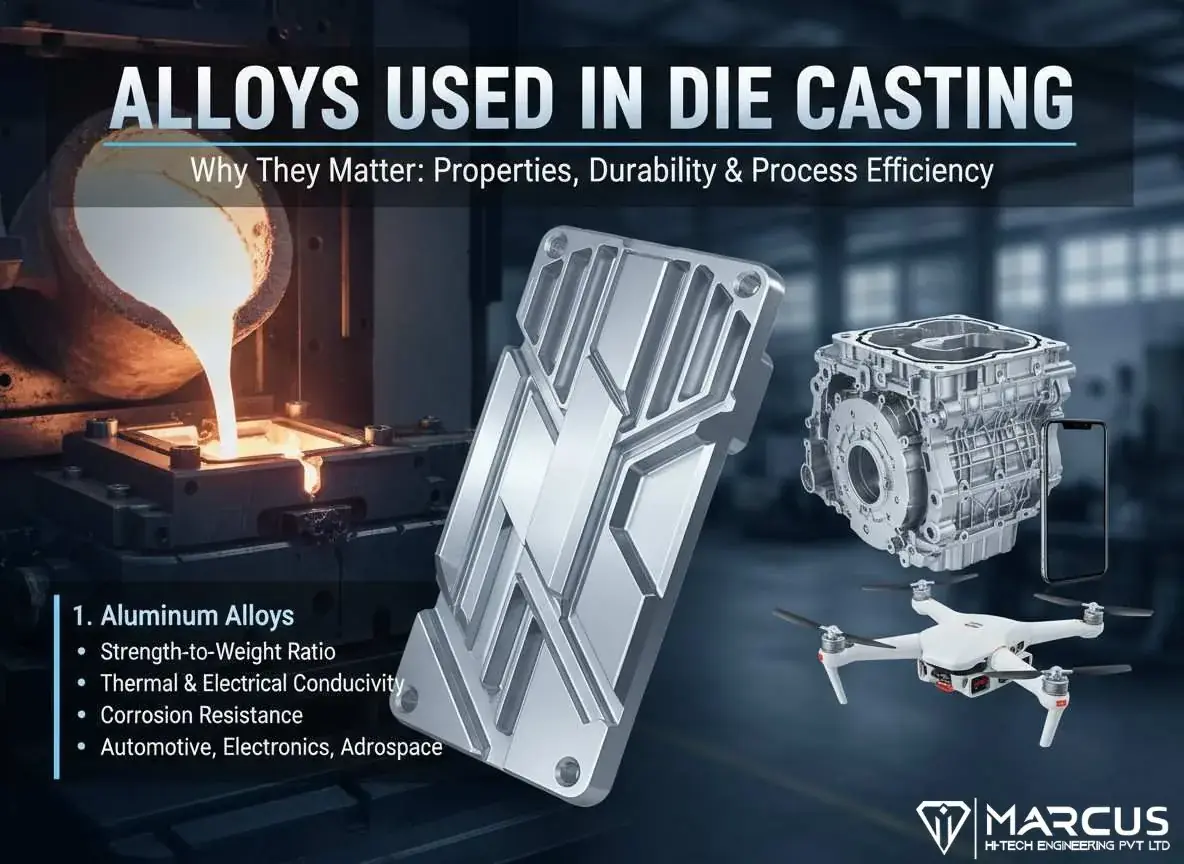
Top 5 Alloys Used in Die Casting: Properties, Benefits & Applications
Discover the top 5 alloys used in die casting, including aluminum, zinc, and magnesium. Learn their properties, benefits, and best applications.
Read article →
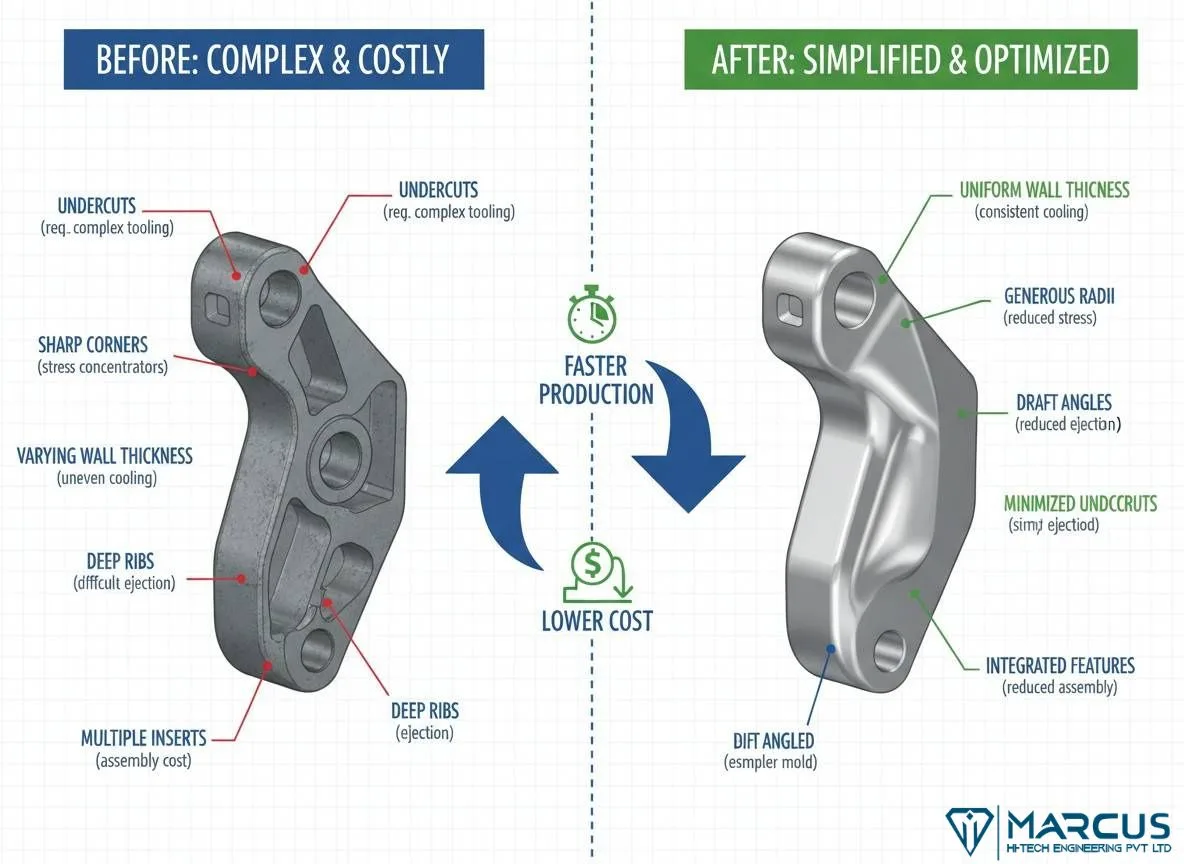
Design for Manufacturability (DFM) is the critical difference between a die-cast component that is expensive to produce and one that is highly profitable. For engineers, implementing dfm design for manufacturing principles early in the design phase can eliminate 80% of secondary operations and the substantial costs associated with them.
Because secondary operations can represent as much as 80% of a component’s total cost, dfm engineering optimization is essential before tooling begins. A well-optimized design flows smoothly through production, while poor design leads to constant troubleshooting, rework, and expensive post-processing.
DFM, or Design for Manufacturability, is the engineering practice of designing products in a way that they are easy to manufacture. In dfm manufacturing, the focus is on simplifying the design to reduce production costs, improve quality, and speed up the time-to-market. By integrating dfm engineering into the initial design phase, companies can identify potential manufacturing issues before they become costly problems in the production stage.
While the general principles apply across various sectors, processes like dfm injection molding and die casting have specific technical requirements—such as draft angles and wall thickness—that must be optimized to ensure the part can be removed from a mold without defects.
Maintaining uniform wall thickness is vital in dfm manufacturing to prevent porosity caused by varying flow pressures and non-uniform solidification.
Draft angles are a fundamental requirement of dfm engineering that facilitate the easy ejection of the part from the mold. Without adequate draft, parts stick, defects multiply, and molds wear out prematurely.
[Image showing draft angles on internal and external die cast walls]
Sharp corners are a major enemy of die-cast parts as they create stress concentrations that lead to cracking and cause turbulent metal flow during filling.
The parting line—where the two die halves meet—significantly impacts part quality and tooling costs in both die casting and dfm injection molding.
Before finalizing your design for dfm injection molding or die casting, verify these points:
Investing time in dfm design for manufacturing during the design phase results in lower tooling costs, faster cycles, and higher yields. Work closely with your die casting supplier early to identify improvements before committing to expensive tooling.
More process, tooling, and sourcing notes from the Marcus engineering team.
Discover the top 5 alloys used in die casting, including aluminum, zinc, and magnesium. Learn their properties, benefits, and best applications.
Read article →Black chromate coating provides durable corrosion resistance with a sleek black finish for industrial and automotive components.
Read article →Leading gravity die aluminum casting suppliers in 2026 for high-quality, precision, and scalable production.
Read article →