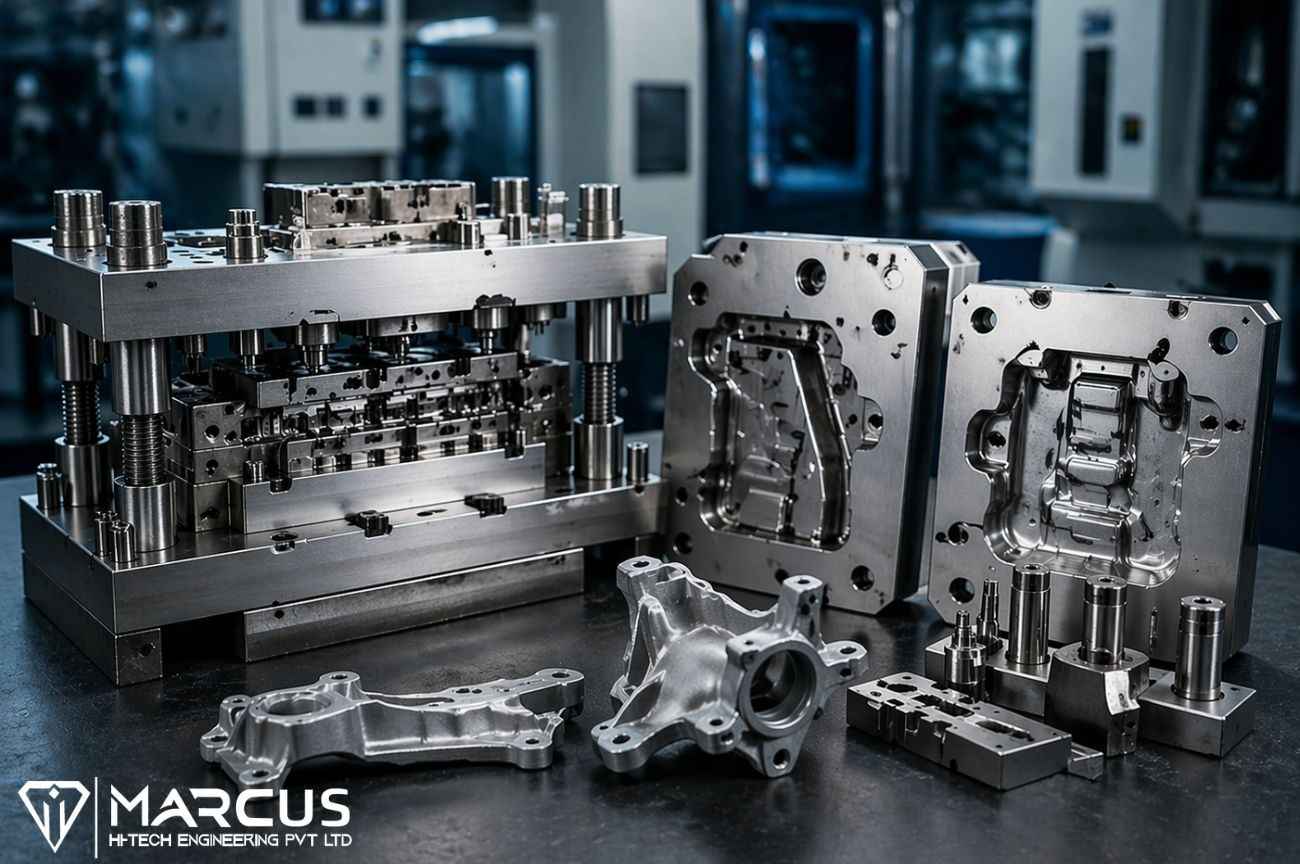
Custom Metal Stamping Dies & Tooling
Precision stamping dies, progressive tooling, and Wire EDM. Marcus Manufacturing offers high-accuracy B2B metal forming.
Read article →
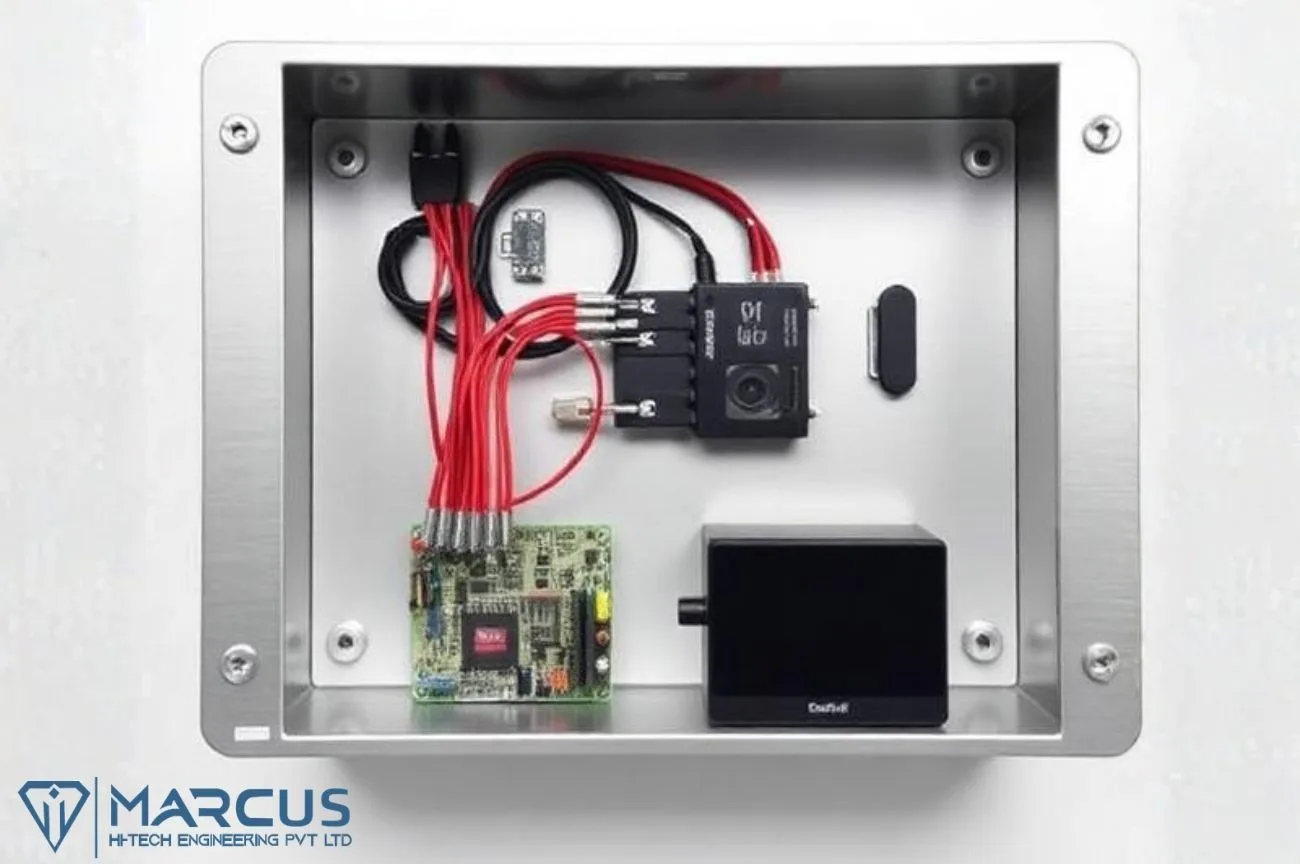
Electronic devices don’t fail randomly—most issues trace back to heat, interference, or physical stress. The enclosure you choose directly affects all three.
Metal enclosures stand out because they don’t just protect components—they actively support how those components perform in real conditions.
Electronic systems are constantly exposed to external noise. Metal surfaces naturally block interference, helping devices maintain stable signals without extra shielding layers.
Instead of trapping heat, metals like aluminum spread it across the surface. This reduces hotspots and keeps internal temperatures under control.
In environments where vibration or impact is unavoidable, a rigid enclosure keeps internal parts secure and aligned.
Grounding is easier with metal, adding an extra layer of safety in both industrial and commercial setups.
Used when portability and heat control are priorities. It’s common in compact electronics and modern device designs.
Chosen for applications where durability and security matter more than weight.
Works best in environments exposed to moisture, chemicals, or strict hygiene requirements.
Thermal performance should be part of the initial design, not an afterthought. Vent placement, spacing, and airflow paths all contribute to stability.
Well-organized components improve airflow and reduce signal interference. It also makes servicing easier later.
Poorly planned cable openings weaken protection. Sealed entries help maintain performance without limiting accessibility.
Outdoor and industrial setups require enclosures that can handle dust, moisture, and temperature changes without failure.
You’ll find metal enclosures across a wide range of electronic systems:
Each application has different demands, but all benefit from consistent performance and protection.
Off-the-shelf options don’t always fit perfectly. Customization allows better alignment with product requirements.
This can include:
A well-customized enclosure improves both usability and product perception.
Some issues only show up after deployment—but they’re usually avoidable:
Fixing these early saves time and cost down the line.
A metal enclosure isn’t just a protective box—it’s part of the system’s performance. The right design helps electronics run cooler, last longer, and perform more reliably under pressure.
More process, tooling, and sourcing notes from the Marcus engineering team.
Precision stamping dies, progressive tooling, and Wire EDM. Marcus Manufacturing offers high-accuracy B2B metal forming.
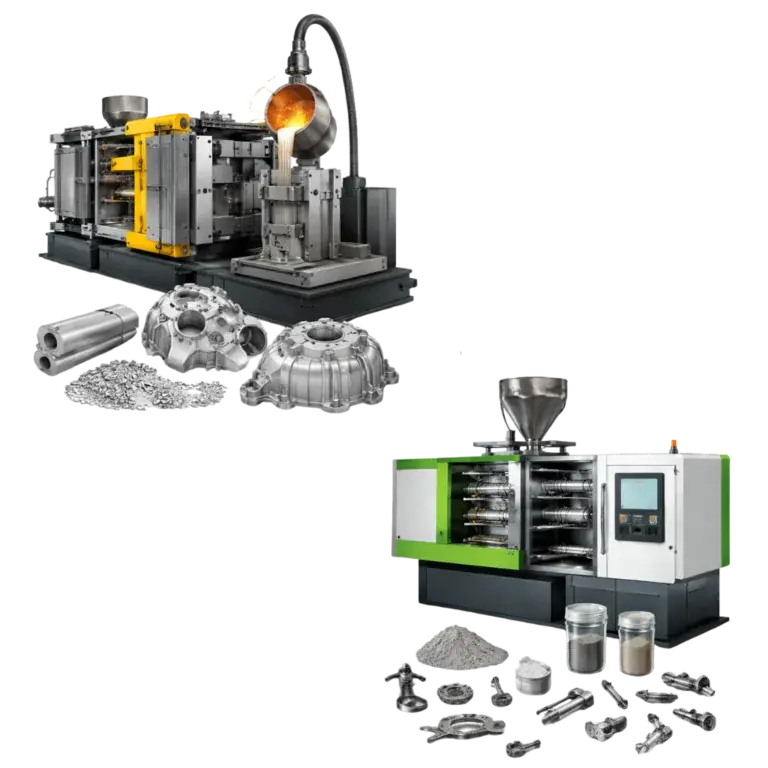
Read article →Die Casting vs. Metal Injection Molding (MIM): A Comparative Guide Choosing the right metal manufacturing process is critical for optimizing part…
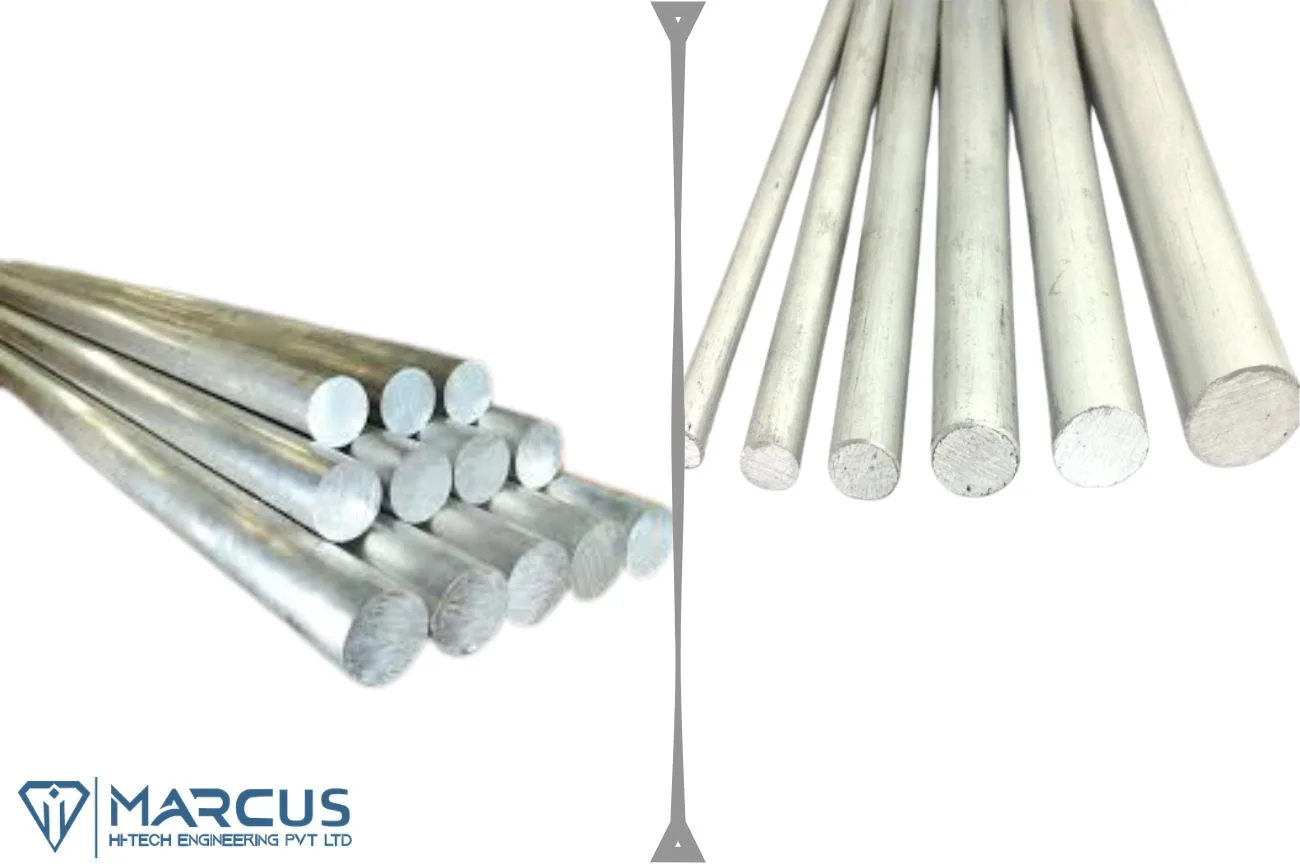
Read article →Analyze 6061 vs. 7075 aluminum. Compare strength, weldability, and cost to select the ideal alloy for high-spec engineering.
Read article →