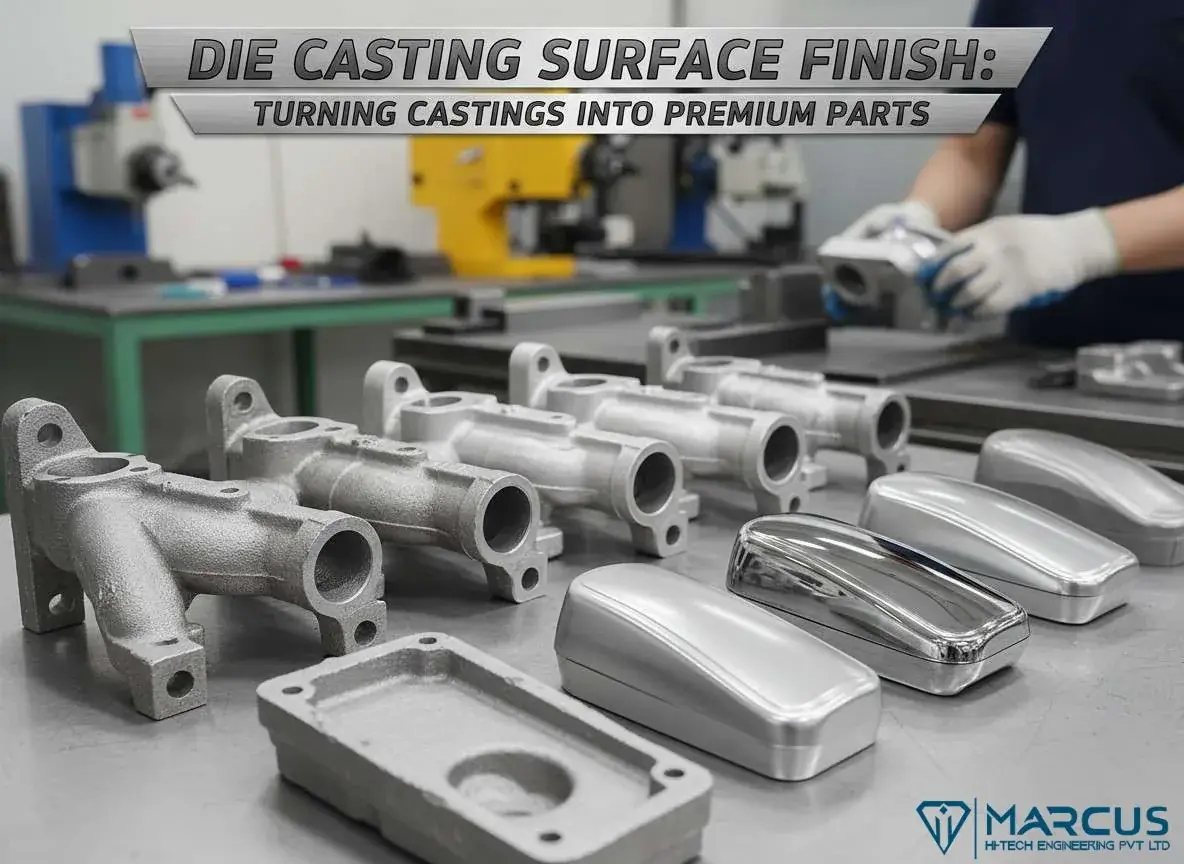
Die Casting Surface Finish: Turning Castings into Premium Parts
Explore die casting surface finish options. From powder coating to anodizing, learn how to protect and enhance your metal parts.
Read article →
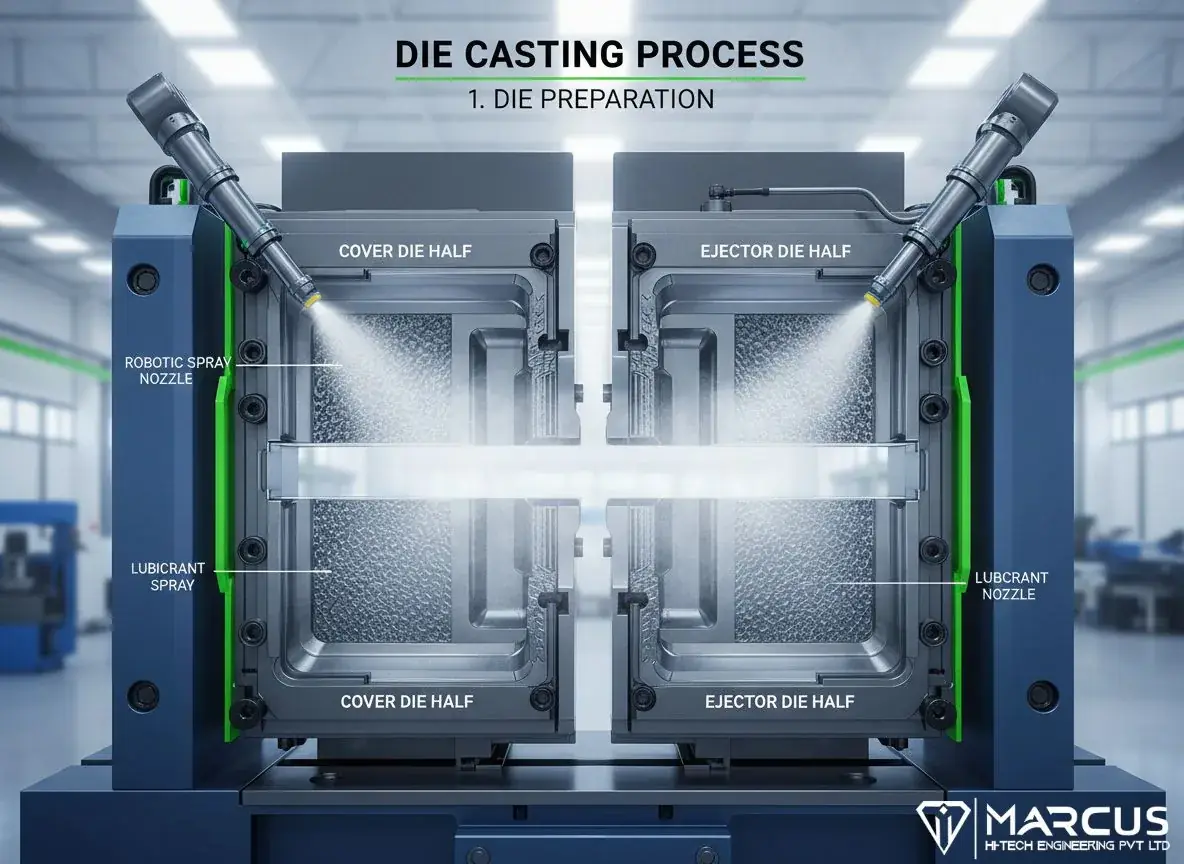
Die casting stands as one of manufacturing’s most precise and efficient methods for producing high-quality metal components. From automotive engine blocks to smartphone housings, this versatile process delivers the intricate parts that power our modern world. Whether you’re an engineer, manufacturer, or simply curious about how metal products come to life, understanding die casting provides valuable insight into a cornerstone of industrial production.
In this comprehensive guide, we’ll walk through each critical stage of the die casting process, revealing how molten metal transforms into precision-engineered components ready for real-world applications.
The process begins with meticulous preparation of the mold (or “die”). This critical first step sets the foundation for a defect-free part.
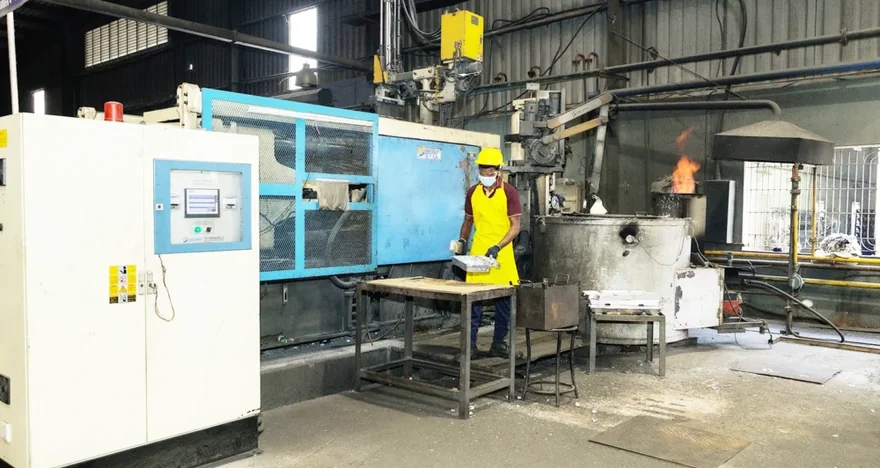
This is where the transformation happens. Molten metal—typically aluminum, zinc, or magnesium—is forced into the die cavity at high velocity.
Once the cavity is full, the metal must transition from liquid to solid. This isn’t just a waiting period; it’s a controlled thermal event.
With the part solidified, the die halves separate. Because metal shrinks as it cools, it naturally “grips” the mold’s features.
The final step is to separate the “wheat from the chaff.” Trimming removes all the excess material necessary for the casting process but unwanted on the final component.
| Advantage | Benefit |
|---|---|
| Complexity | Produces thin-walled, intricate shapes machining cannot replicate. |
| Speed | Cycle times can be as fast as 20–30 seconds. |
| Durability | High-pressure injection creates a dense, high-strength molecular structure. |
From furnace to finishing line, die casting remains the gold standard for high-volume, high-precision metal manufacturing—powering everything from automobiles to electronics with remarkable efficiency and consistency.
More process, tooling, and sourcing notes from the Marcus engineering team.
Explore die casting surface finish options. From powder coating to anodizing, learn how to protect and enhance your metal parts.
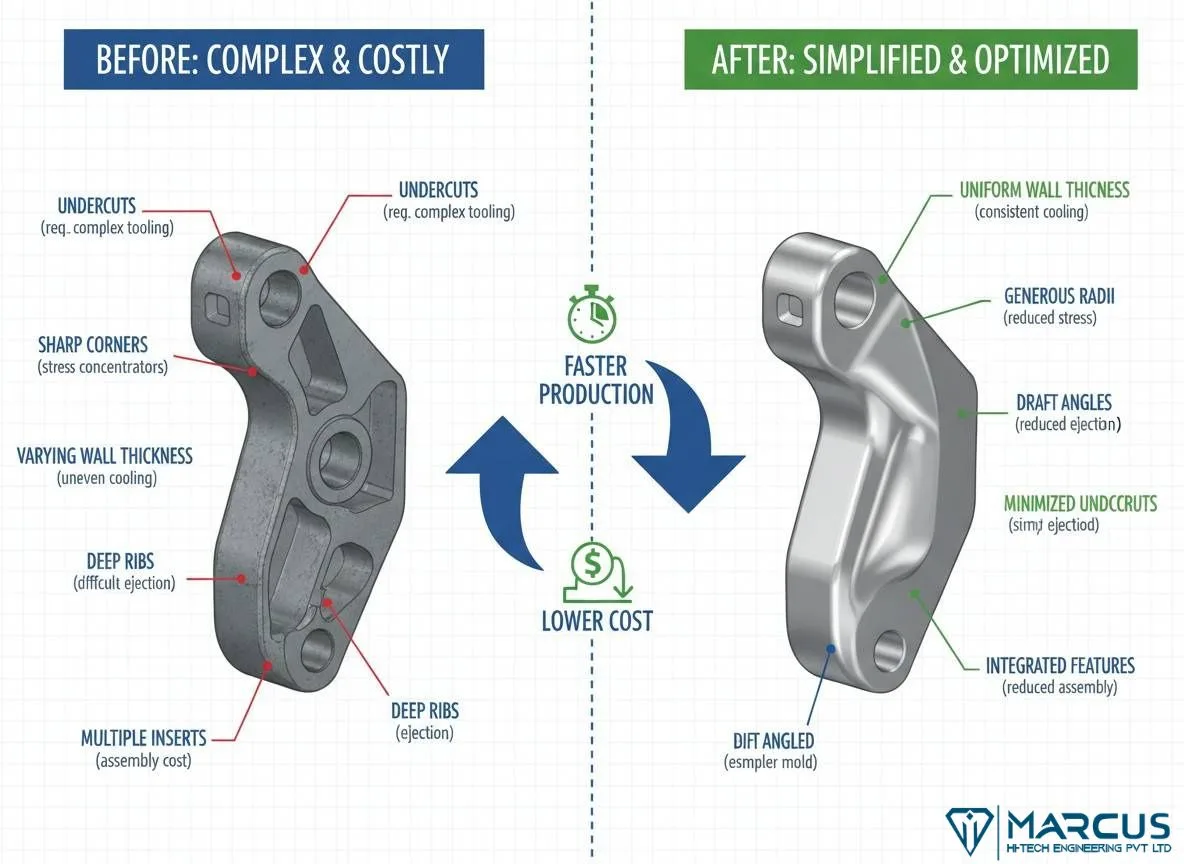
Read article →Master DFM engineering for die casting. Learn how optimized wall thickness and draft angles slash manufacturing costs.
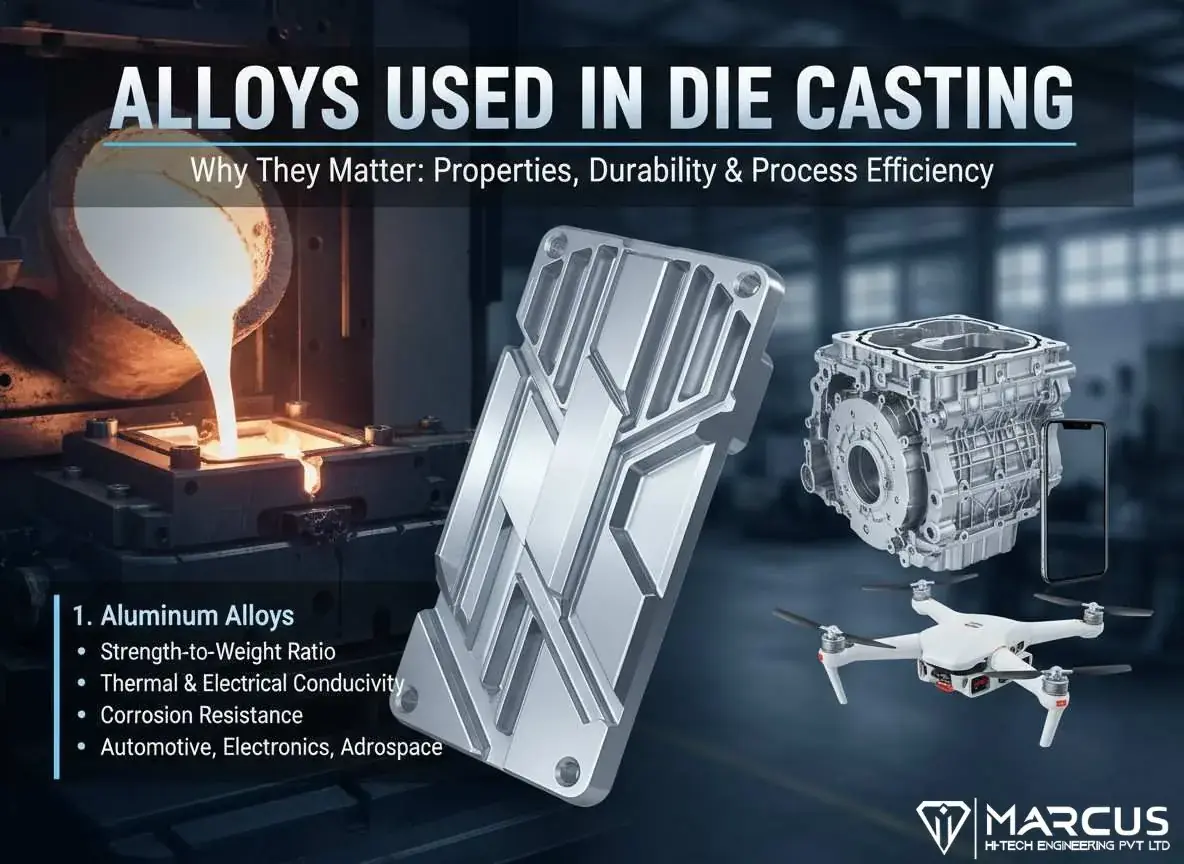
Read article →Discover the top 5 alloys used in die casting, including aluminum, zinc, and magnesium. Learn their properties, benefits, and best applications.
Read article →