What Is Sand Casting? Process, Types & Die Casting Comparison
Master the sand casting process, sand types, and die casting differences. Choose the right manufacturing method for your 2026 project.
Read article →
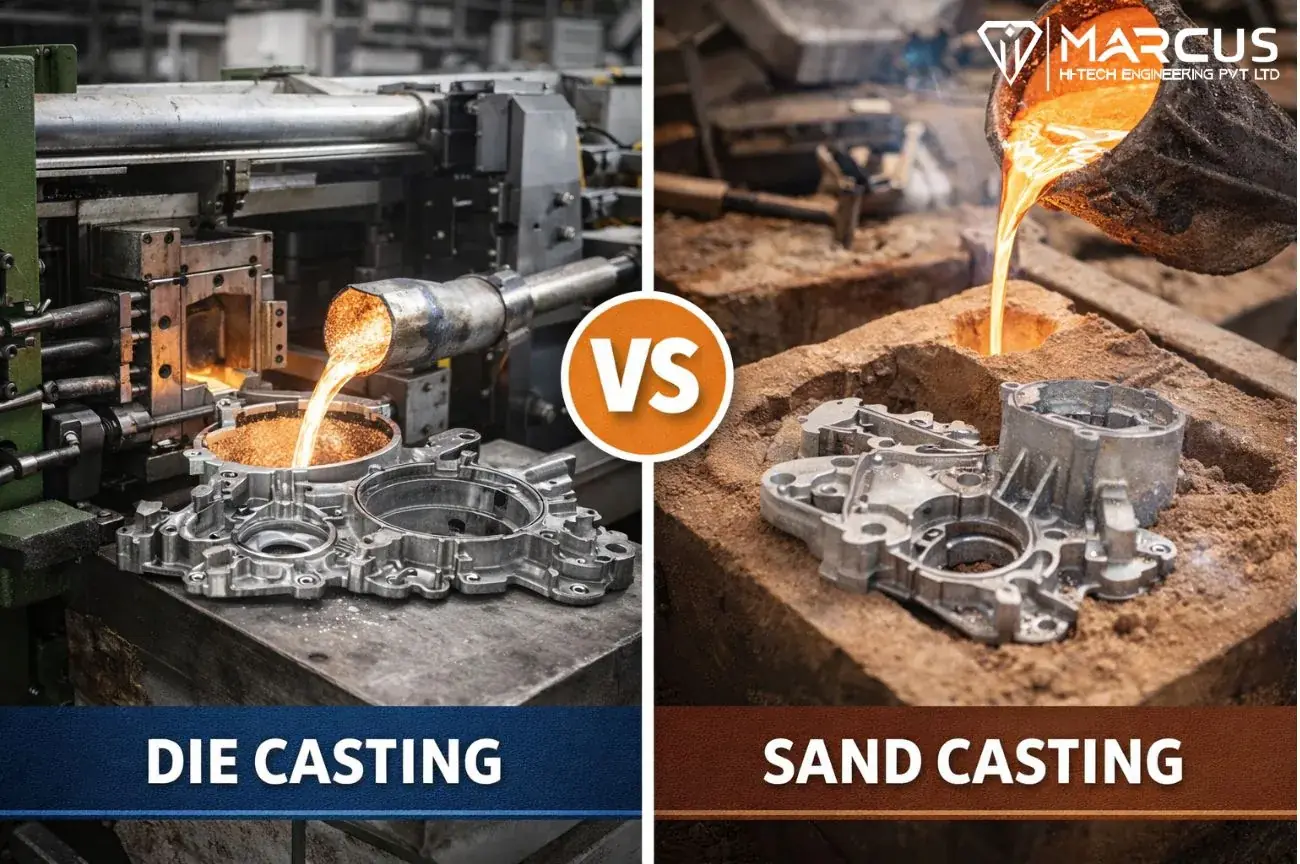
When it comes to metal fabrication, the debate of die casting vs. sand casting is central to every manufacturing strategy. Both methods are essential in modern industry, yet they serve vastly different purposes regarding volume, precision, and budget.
This guide breaks down die casting vs. sand casting vs. metal casting at large, helping you choose the right process for your specific application.
Understanding the trade-offs between these two methods is the first step in optimizing your production line.
The Case for Die Casting
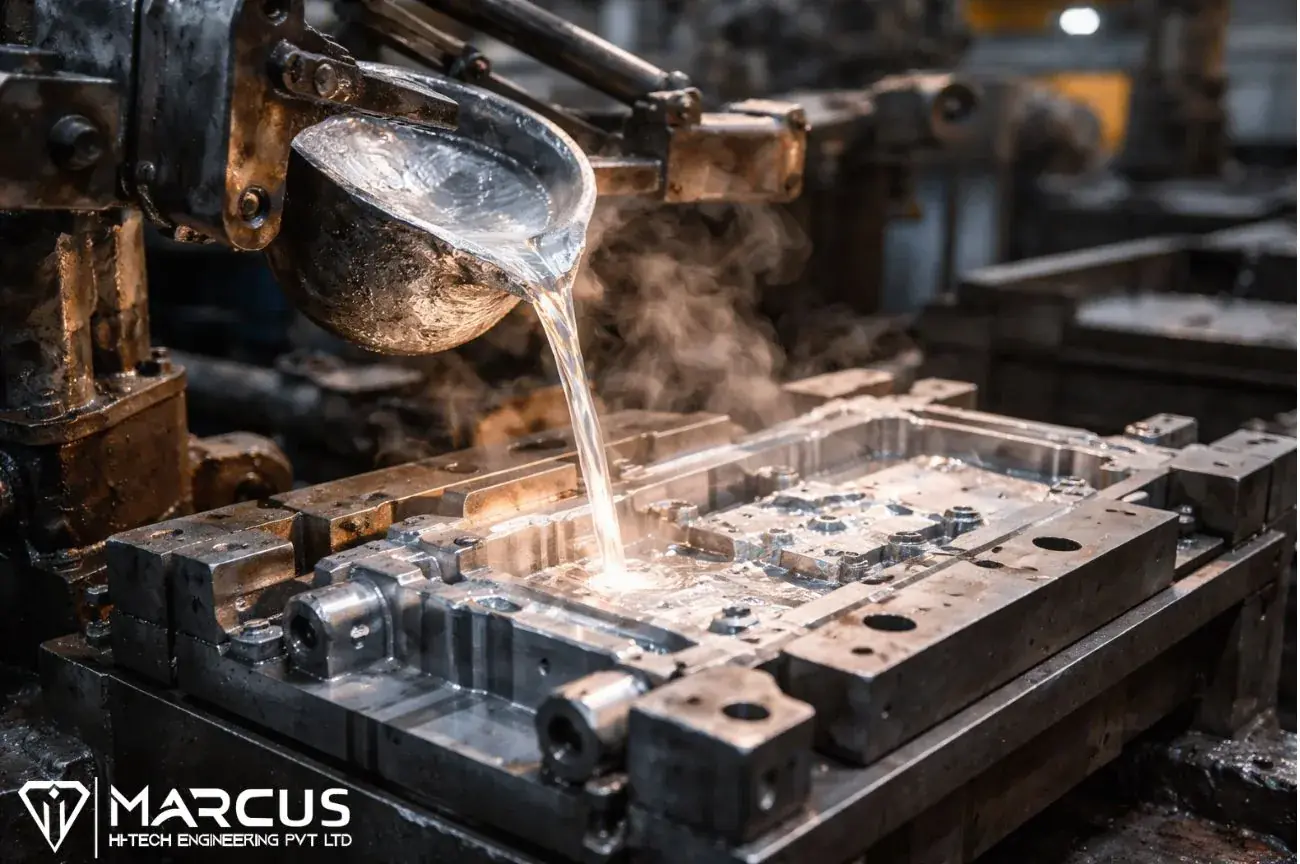
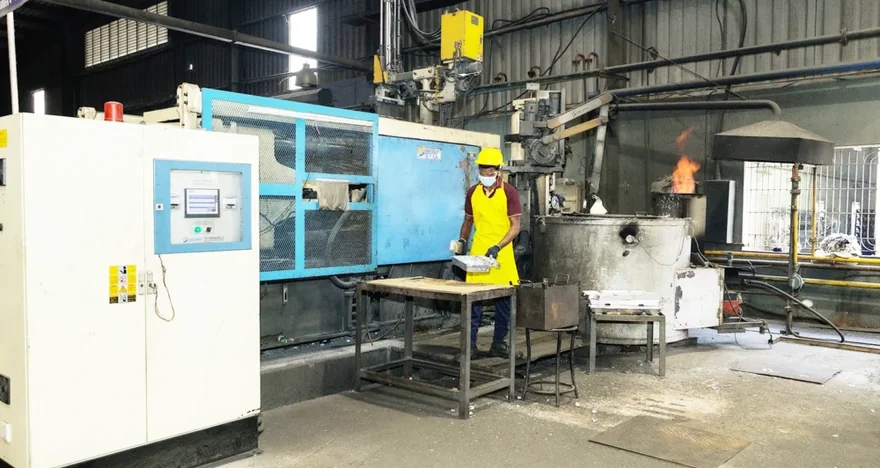
The die casting process uses permanent steel molds and high-pressure injection.
The Case for Sand Casting
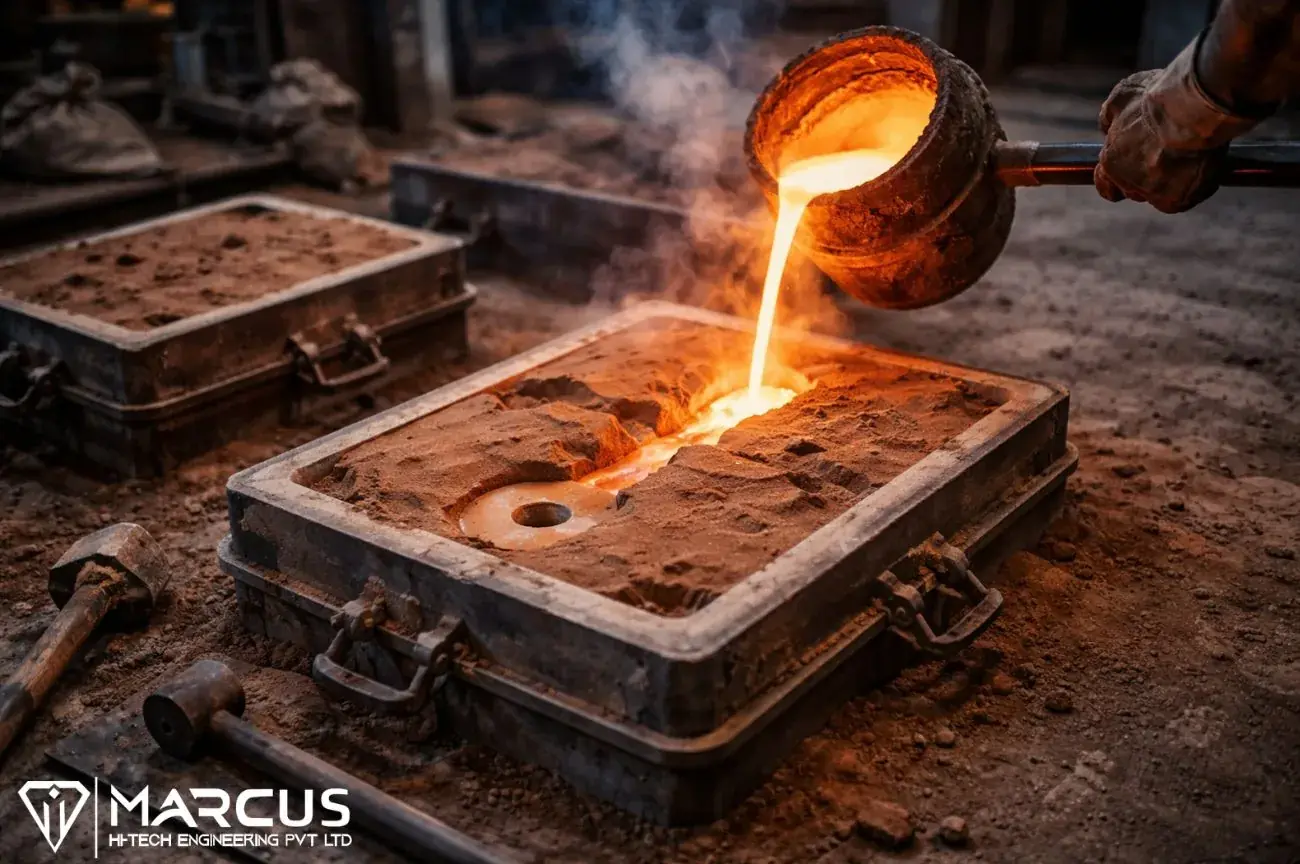
Sand casting is a versatile, non-permanent mold process.
While die casting vs. sand casting are the most common, investment casting (lost-wax) is the middle ground for high-complexity parts.
The “winner” in the die casting vs. sand casting cost battle depends entirely on your production scale.
| Cost Factor | Sand Casting | Die Casting |
|---|---|---|
| Tooling/Setup | Low ($) | High ($) |
| Labor per Part | High (Manual intensive) | Low (Automated) |
| Material Waste | Moderate | Very Low |
| Economic Volume | 1 – 1,000 units | 5,000+ units |
If your part requires extreme structural integrity, you might look beyond die casting vs. sand casting toward forging.
In any discussion of die casting vs. sand casting vs. metal casting, we must mention centrifugal casting. This process is the gold standard for cylindrical components (pipes, bushings). By spinning the mold, the process forces impurities to the center, creating a denser, more reliable outer wall than either sand or die casting can provide for hollow shapes.
At Marcus Hi-Tech, we manage the complexities of the die casting process and sand casting across our global facilities in India (Chennai, Coimbatore, Pune), China, and Vietnam.
Whether you are weighing sand casting vs. investment casting for a new prototype or ready to scale with high-pressure die casting, our engineering team ensures your tolerances and alloy specifications (A380, ADC12) are met with 100% precision.
More process, tooling, and sourcing notes from the Marcus engineering team.
Master the sand casting process, sand types, and die casting differences. Choose the right manufacturing method for your 2026 project.
Read article →Looking for zinc die casting suppliers in India? IATF 16949 certified zinc alloy casting with in-house tooling, CNC machining & delivery.
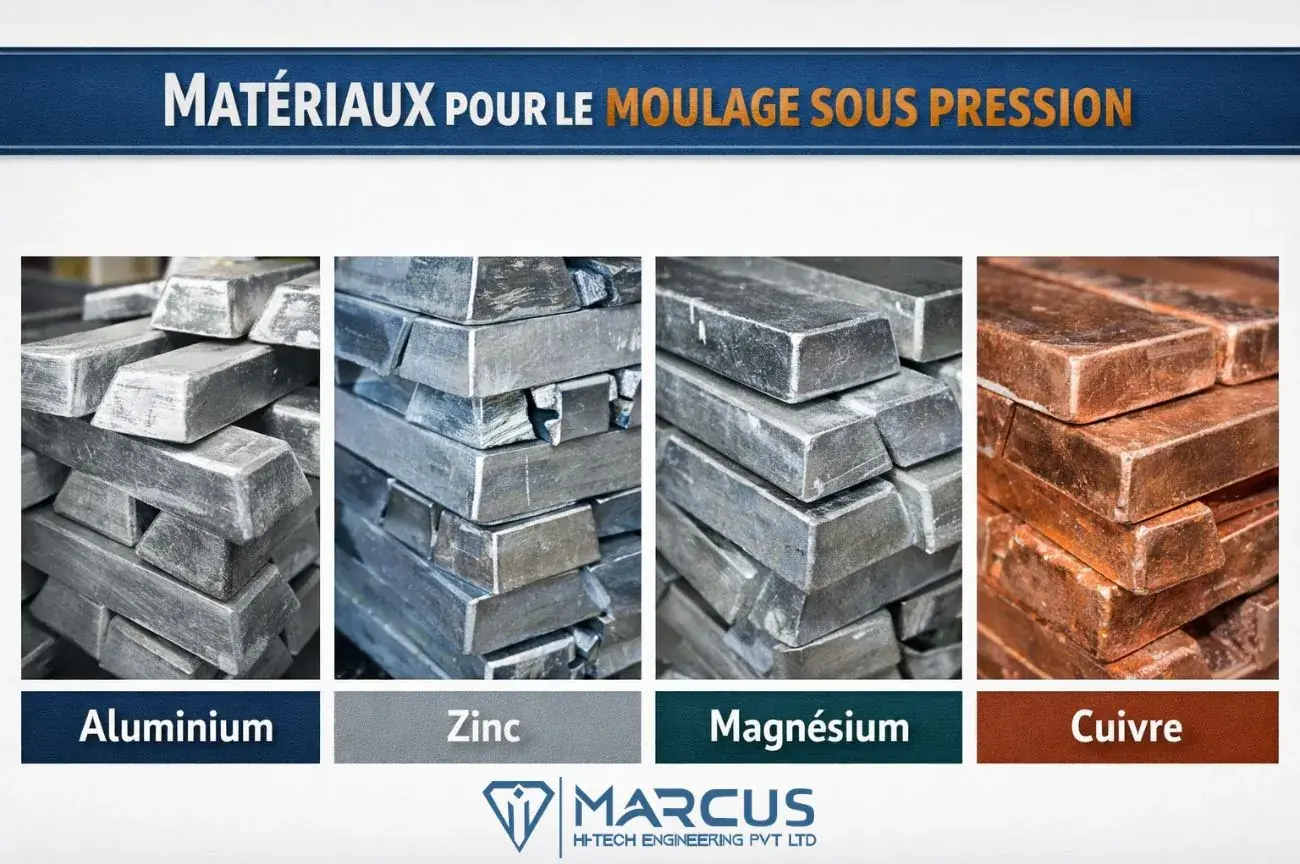
Read article →Découvrez les matériaux utilisés dans le moulage sous pression, notamment l'aluminium, le zinc, le magnésium et leurs avantages.
Read article →