Precision End Caps for Lighting
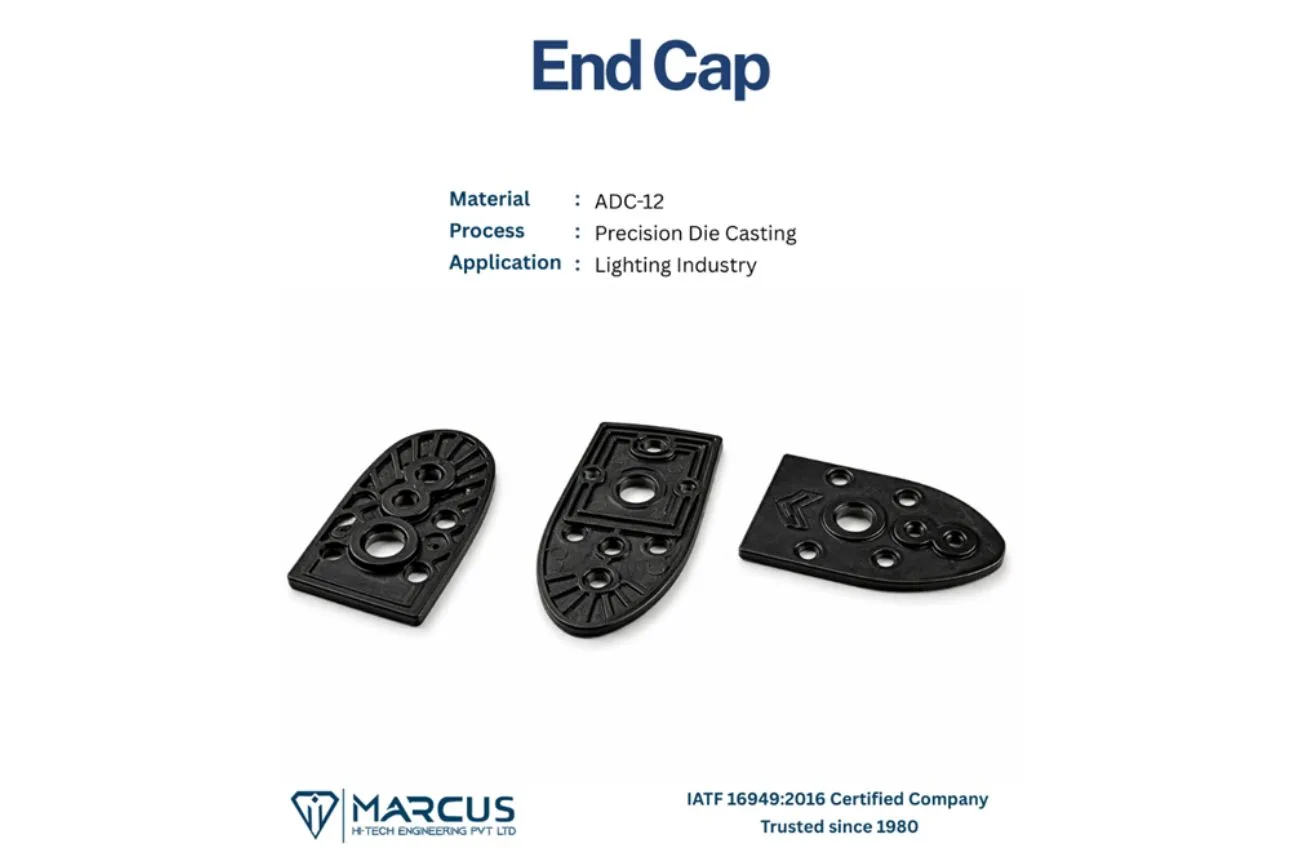
IATF-certified precision end caps for LED lighting, ensuring thermal management and durable performance in professional luminaires
Read article →
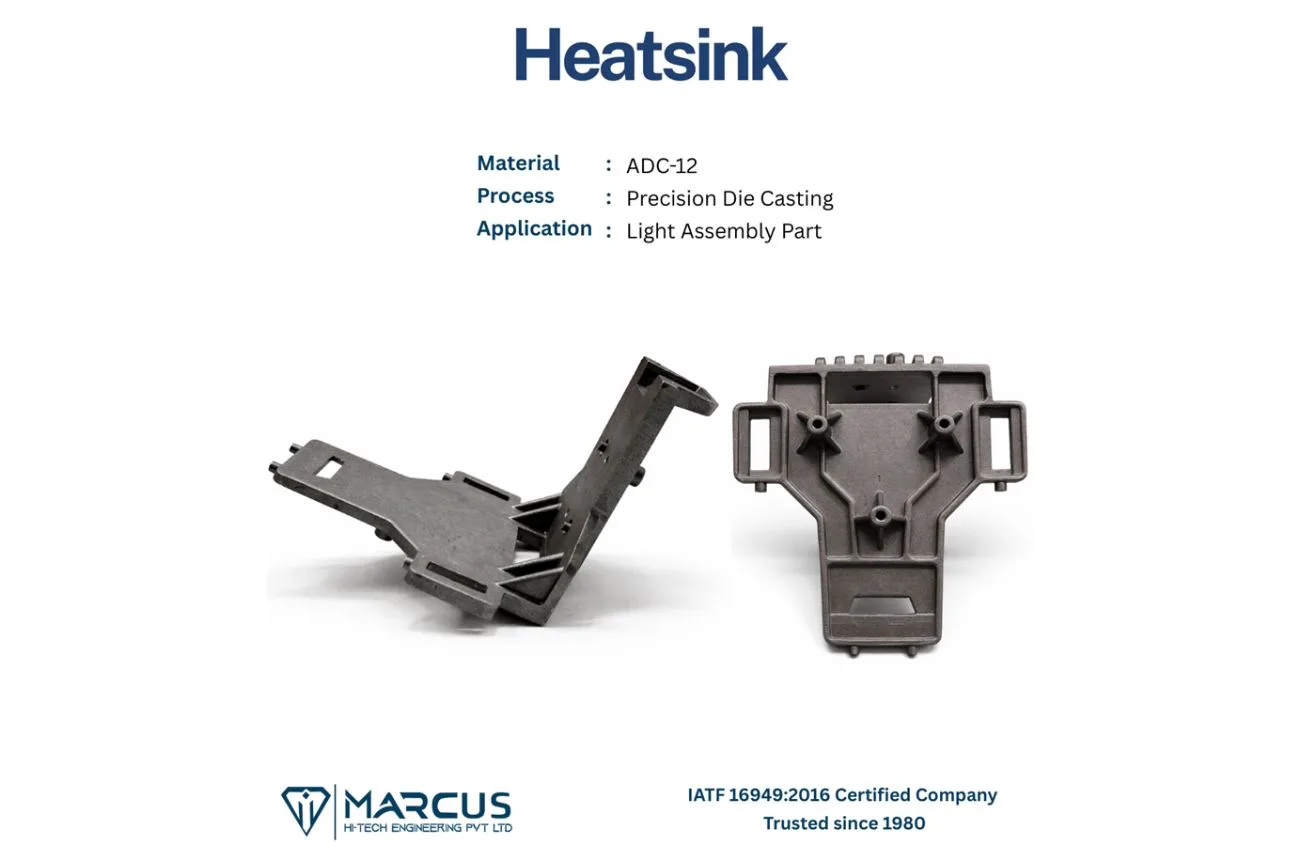
The global heat sink market is experiencing a rapid surge, valued at approximately $16.84 billion in 2026 and projected to grow at a CAGR of 7.5% through 2032. This growth is fueled by the aggressive miniaturization of electronics and the massive power demands of 5G infrastructure, AI data centers, and Electric Vehicles (EVs). In these high-density systems, heat is the ultimate enemy; without an efficient thermal path, components face performance throttling, reduced lifespans, and critical failure.
At Marcus Manufacturing, “Trusted since 1980,” we understand that heat dissipation is a mechanical necessity for modern innovation. Our Precision Aluminum Heat Sinks are engineered to provide the high-surface-area cooling that keeps global technology running at its peak.
Engineers often ask, “Why is aluminum preferred over copper or other alloys for large-scale thermal management?” While copper has higher raw conductivity, aluminum—specifically when precision-cast—offers the most efficient balance for industrial applications.
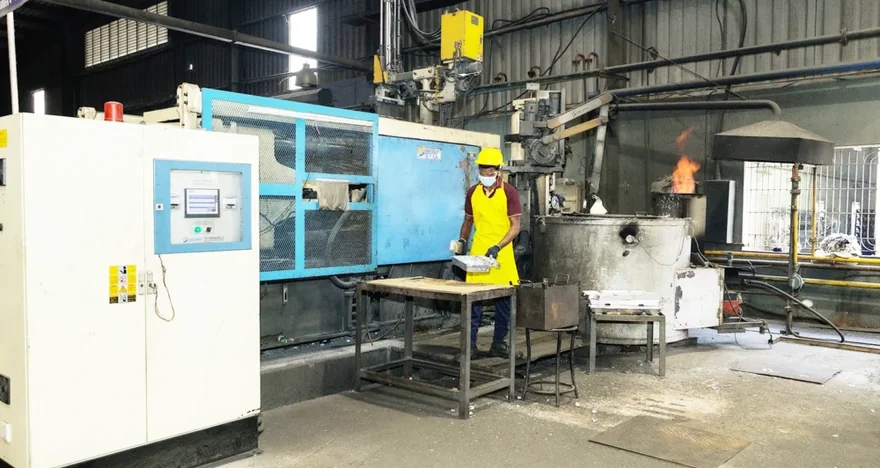
The effectiveness of a heat sink is determined by its geometry. As shown in our latest technical run, our manufacturing focus is on maximizing the interface between the metal and the air.
Marcus Manufacturing is an IATF 16949:2016 Certified Company. We treat thermal management with the same rigor as safety-critical automotive parts.
| Feature | Specification / Advantage |
|---|---|
| Material | High-Conductivity Aluminum Alloy |
| Primary Benefit | 20% Reduction in System Temperature |
| Industry Focus | EV Electronics, 5G Telecom, Industrial HPC |
| Market Valuation | $16.84 Billion (2026 Base) |
| Certification | IATF 16949:2016 Certified |
| Experience | 45 Years (Trusted since 1980) |
Contact Marcus Manufacturing today to discuss your production floor structure requirements.
More process, tooling, and sourcing notes from the Marcus engineering team.
IATF-certified precision end caps for LED lighting, ensuring thermal management and durable performance in professional luminaires
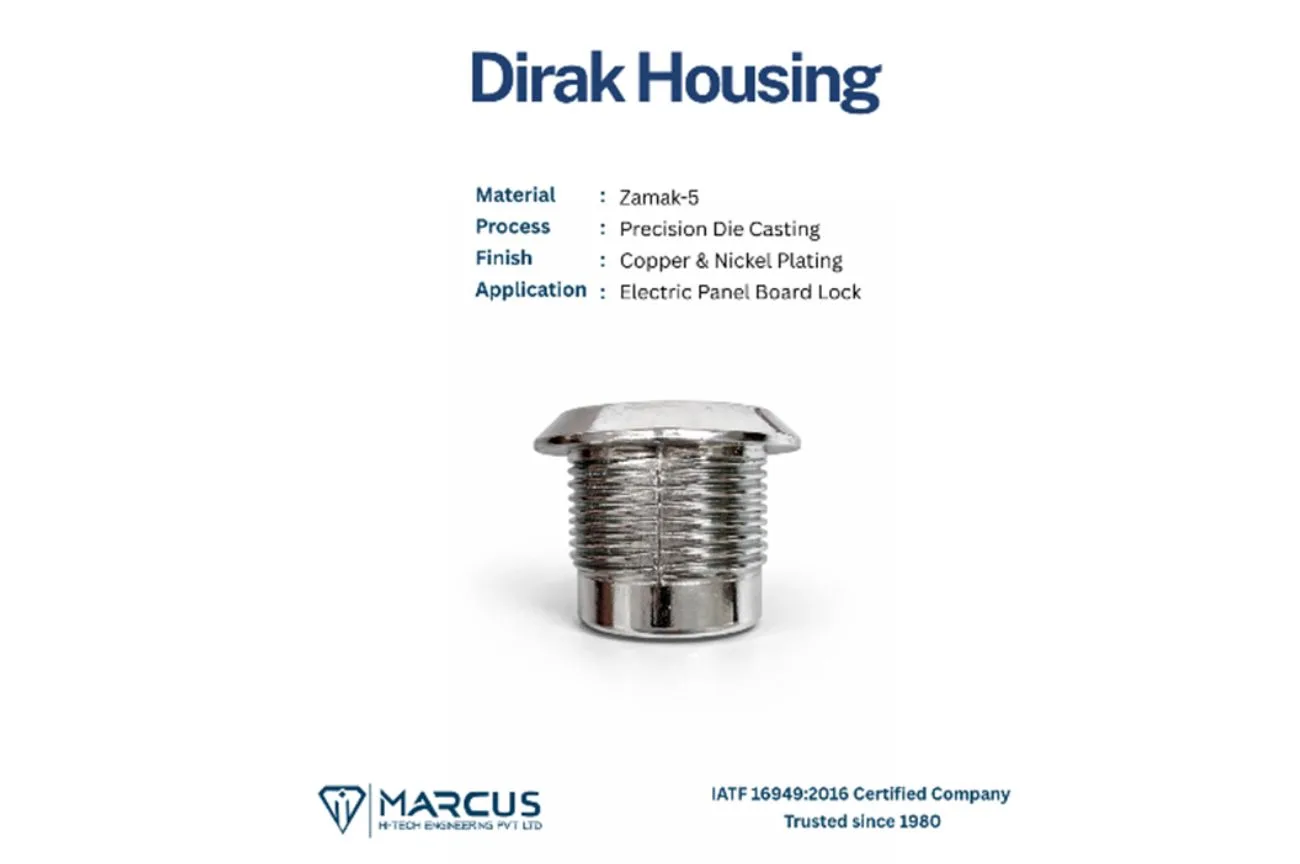
Read article →IATF-certified Zamak-5 panel locks, precision die-cast with copper-nickel finish for durable, high-security electrical enclosures
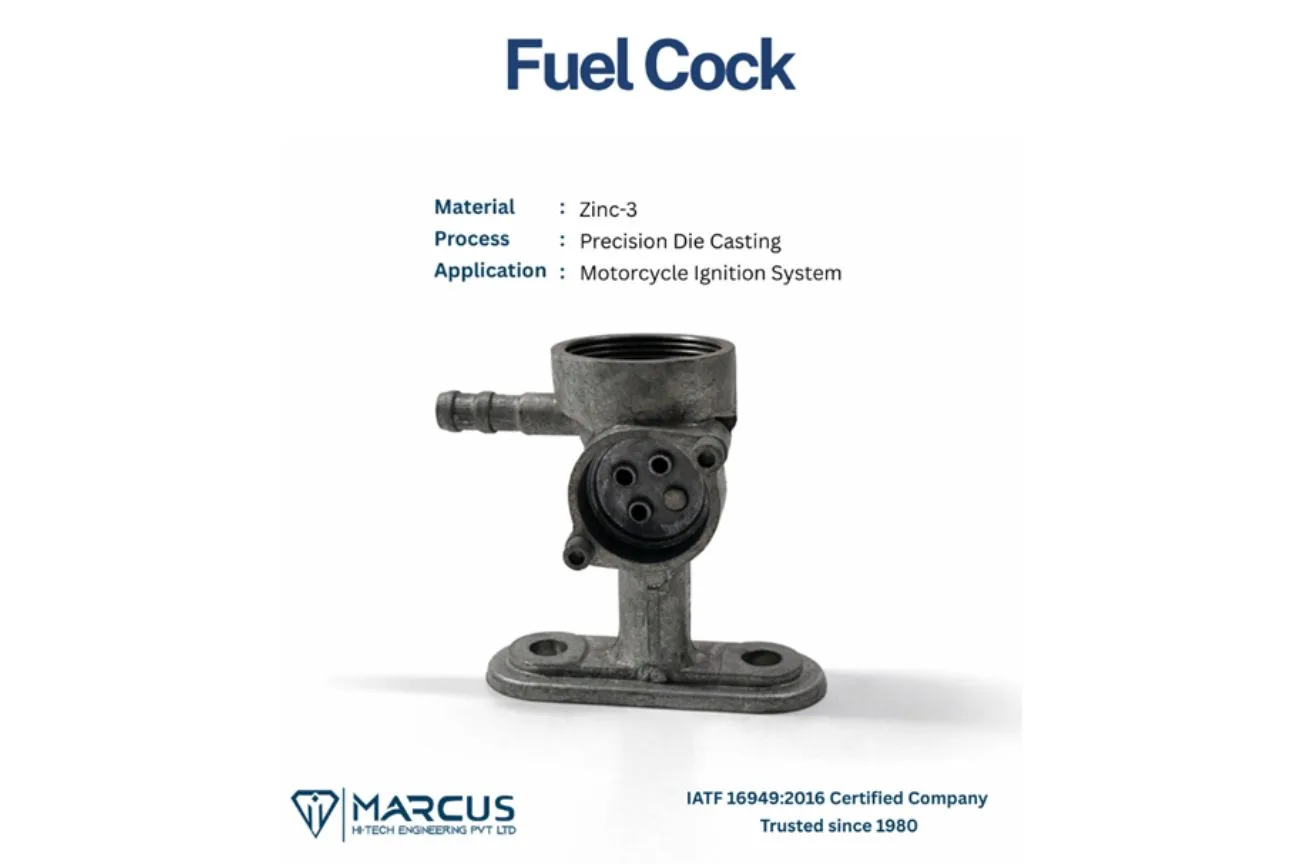
Read article →IATF-certified Zinc-3 fuel cocks, precision die-cast for leak-free, high-pressure motorcycle fuel system performance
Read article →