
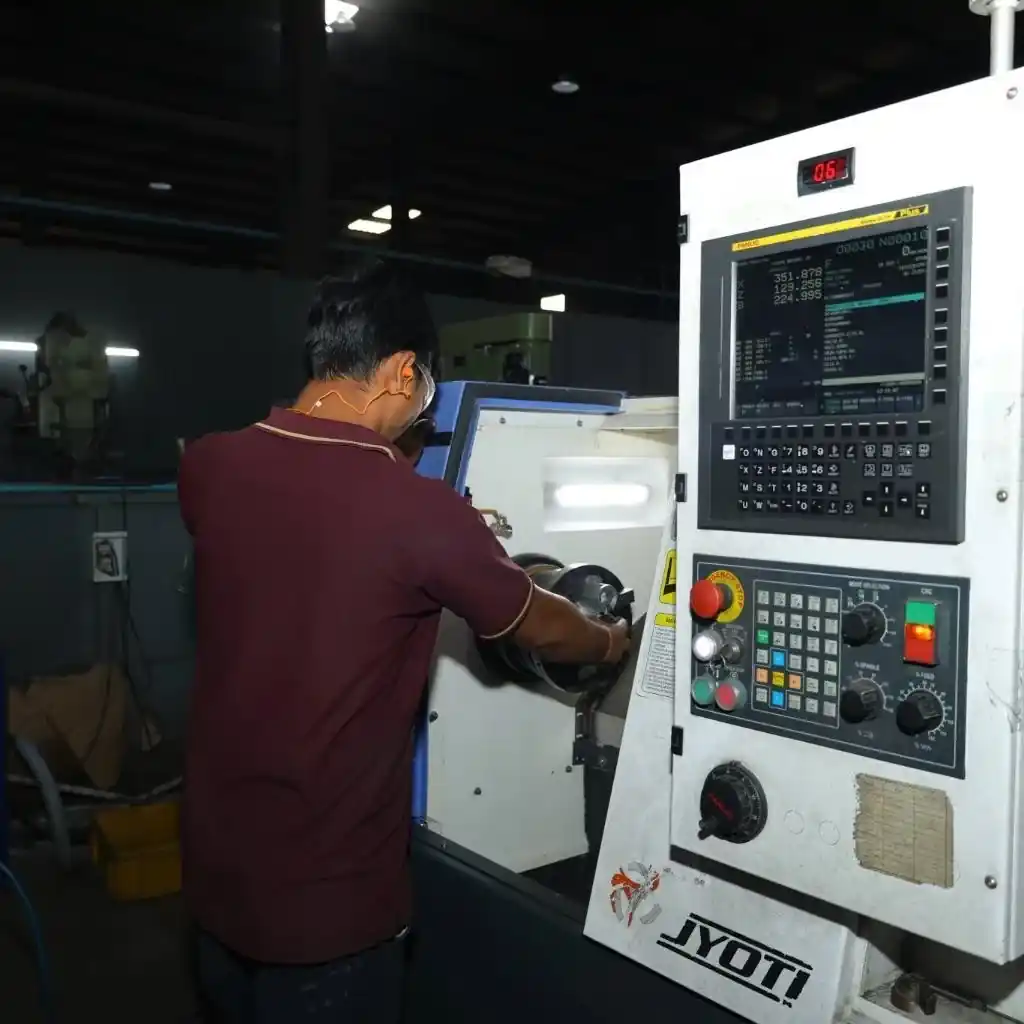
Pressure Die Casting Machine
- Home
- Capabilities
- Pressure Die Casting Machine
State-of-the-art pressure die casting machines from 40T to 4200T for high-speed, automated aluminium, zinc, and magnesium production.
Stop Capacity Constraints, Start Scalable Manufacturing: The Power of Tonnage
Reliance on aging or undersized equipment often leads to flash defects, porosity due to poor injection pressure, and inability to meet surge demand. Advanced pressure die casting machine technology resolves these production bottlenecks by delivering precise clamping forces and real-time shot control. This infrastructure superiority guarantees the successful molding of large, thin-walled structural parts and intricate high-volume components alike. Partner with Marcus Hi-Tech to leverage a versatile fleet that matches the perfect machine tonnage to your specific project requirements.
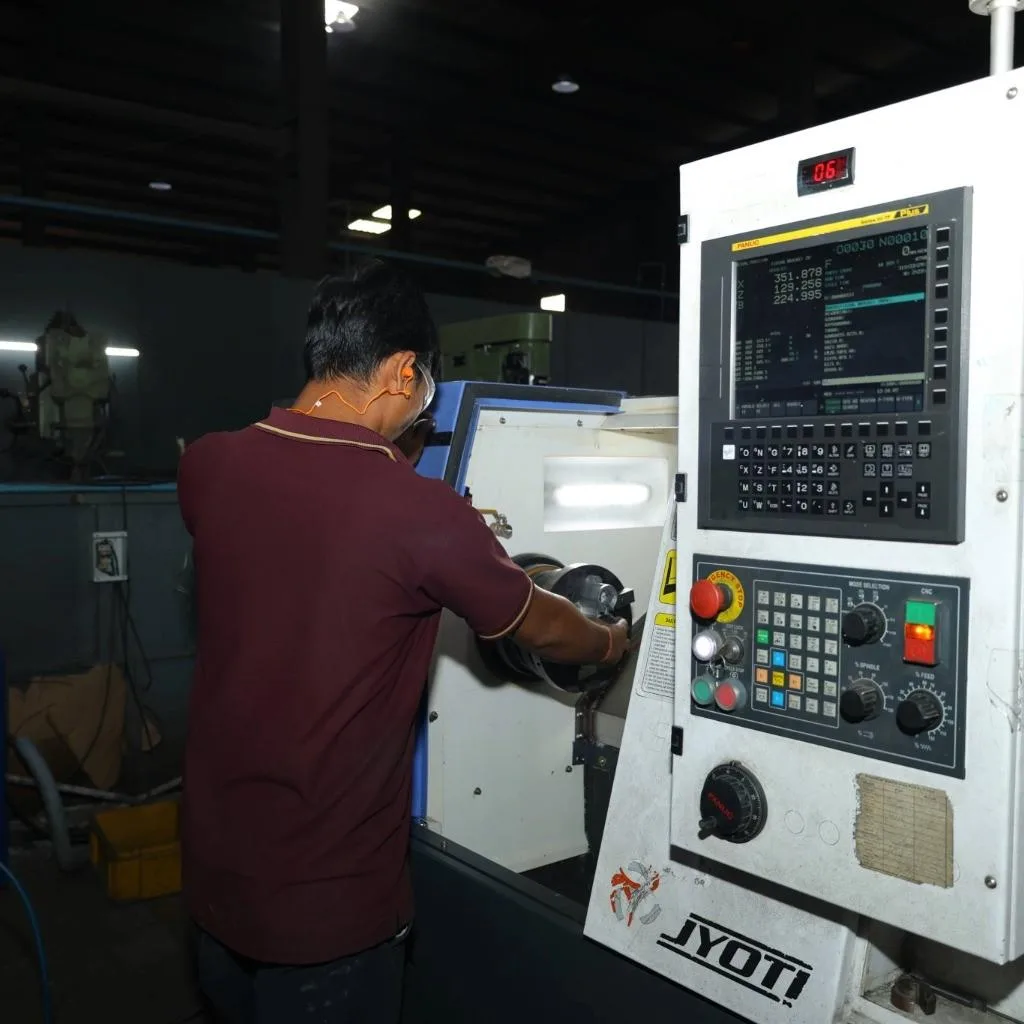
How to Select the Right Casting Machine for Your Project
Use this technical guide to align your component specifications with the correct machine classification. We move from projected area calculation to tonnage selection, certifying that your parts are molded on equipment that ensures optimal density and dimensional stability.
Supplies Needed:
- Part Projected Area (cm²)
- Part Weight (Shot Weight)
- Alloy Type (Al/Zn/Mg)
Step 1: Calculate Projected Area and Clamping Force
Submit your 2D/3D drawings via our capacity planning portal. Our engineers calculate the “projected area” of the part (including runner systems) and multiply it by the specific casting pressure (typically 400-800 bar) to determine the minimum required clamping force (Tonnage) to prevent the die from opening during injection.
Step 2: Match to Machine Cell (Cold vs. Hot Chamber)
Based on the alloy, we assign the project to the correct machine type. Zinc and Magnesium parts under 500g are routed to our high-speed Hot Chamber machines (Gooseneck system). Larger Aluminium or Brass components are assigned to our heavy-duty Cold Chamber lines equipped with automatic ladles and sprayers.
Step 3: Tooling Compatibility Check
We verify that your mold dimensions (shut height and tie-bar spacing) fit within the selected machine’s platens. We also configure the shot sleeve size and plunger velocity profiles to match the thermal requirements of the alloy, ensuring the metal fills the cavity before solidification begins.
Step 4: Commissioning and Production
Once the machine is set up, we conduct a “Dry Run” followed by live casting. Our machines are integrated with real-time process monitoring that tracks injection speed, intensification pressure, and biscuit thickness, auto-rejecting any shots that fall outside the set parameters.
Product
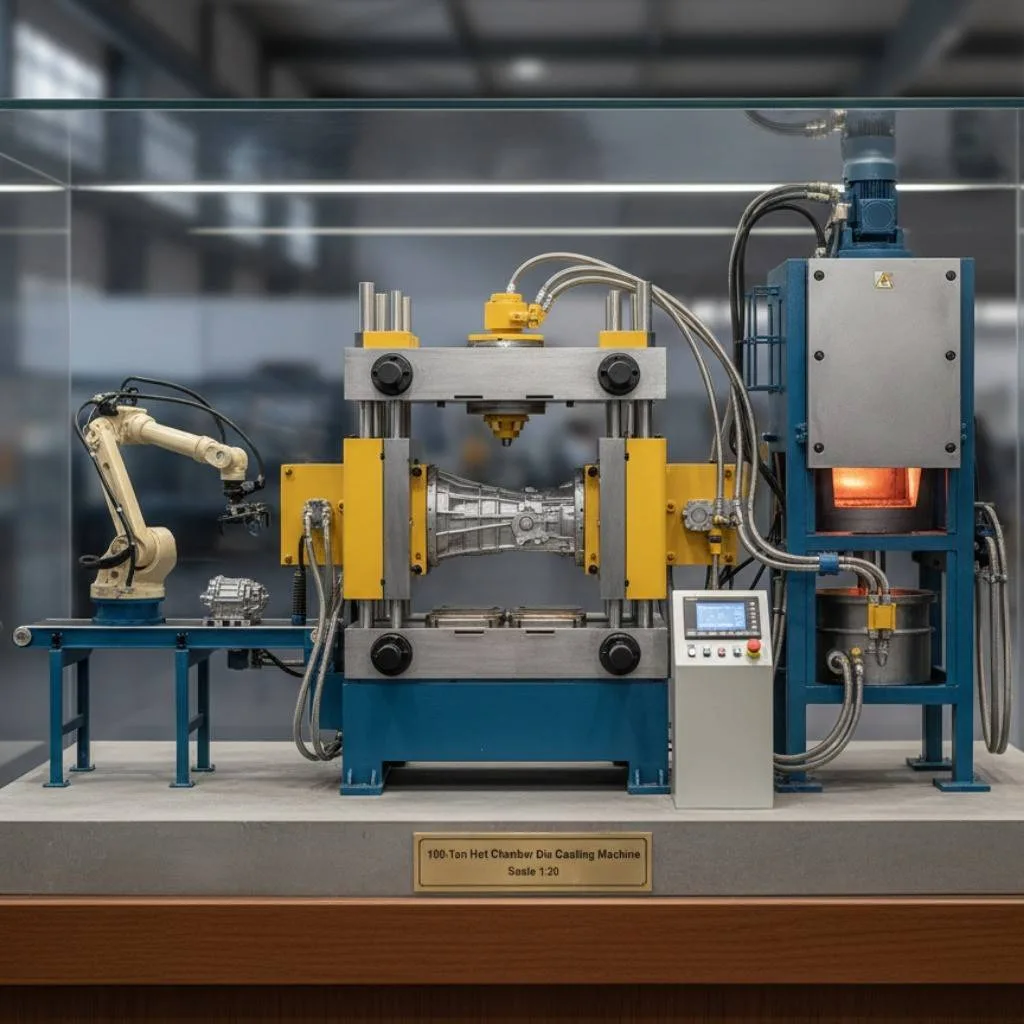
1. 180-Ton Hot Chamber MachineModel ID: MHT-MACH-HOT-180
Description: High-velocity hot chamber machine optimized for medium-sized zinc and magnesium components. Features an integrated furnace and gooseneck system for rapid cycles. Ideal for automotive brackets, electronics housings, and lock hardware.
Technical Specifications:
- Clamping Force: 1800 kN
- Shot Weight (Zn): Max 2.5 kg
- Cycle Speed: Up to 12 shots/min
- Control: Real-time Injection Graph
- Suitability: Zamak 3, Zamak 5, AZ91D
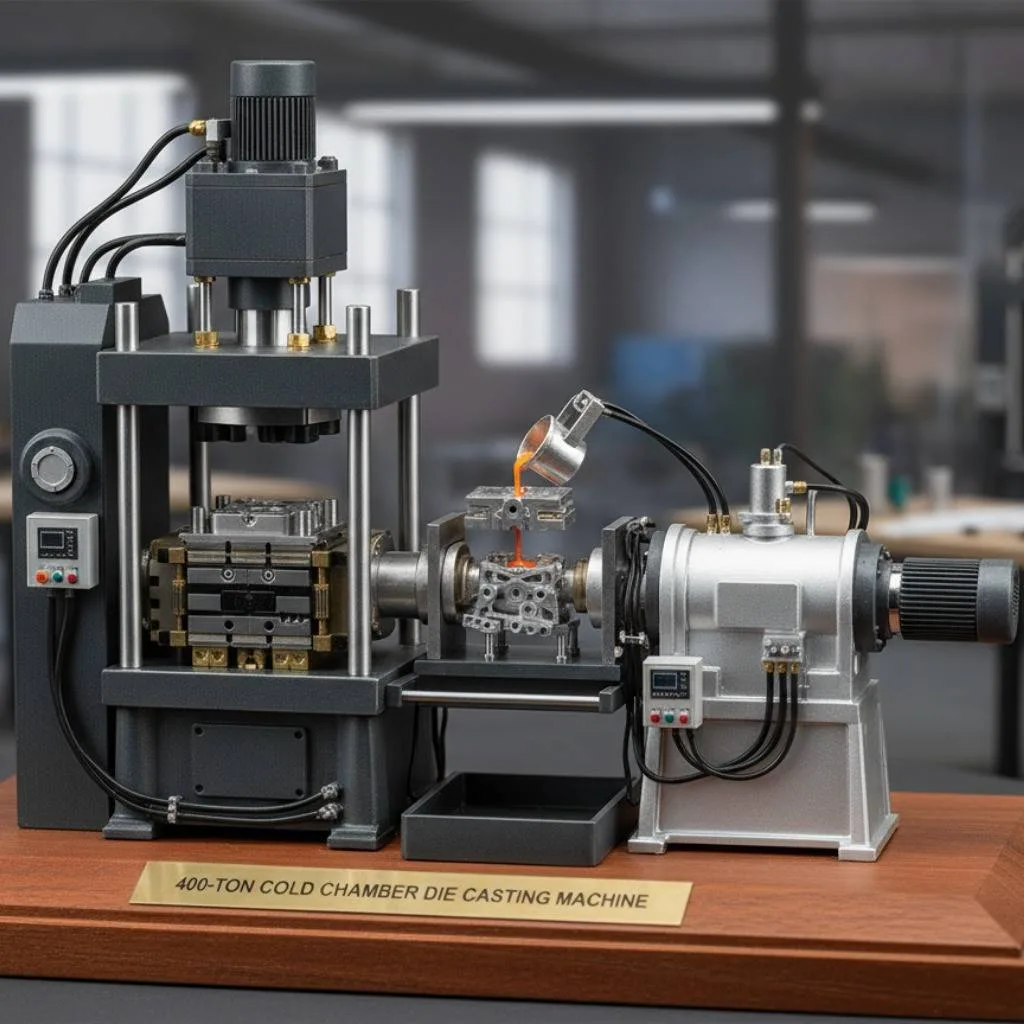
2. 400-Ton Cold Chamber MachineModel ID: MHT-MACH-COLD-400
Description: Versatile mid-range cold chamber unit designed for multi-cavity aluminium molds. Equipped with an automatic reciprocator and ladle for consistent process stability. Perfect for LED housings, pump bodies, and small engine parts.
Technical Specifications:
- Clamping Force: 4000 kN
- Tie Bar Spacing: 650mm x 650mm
- Injection Velocity: Max 6 m/s
- Automation: Full robotic cell
- Suitability: ADC12, A380, LM6
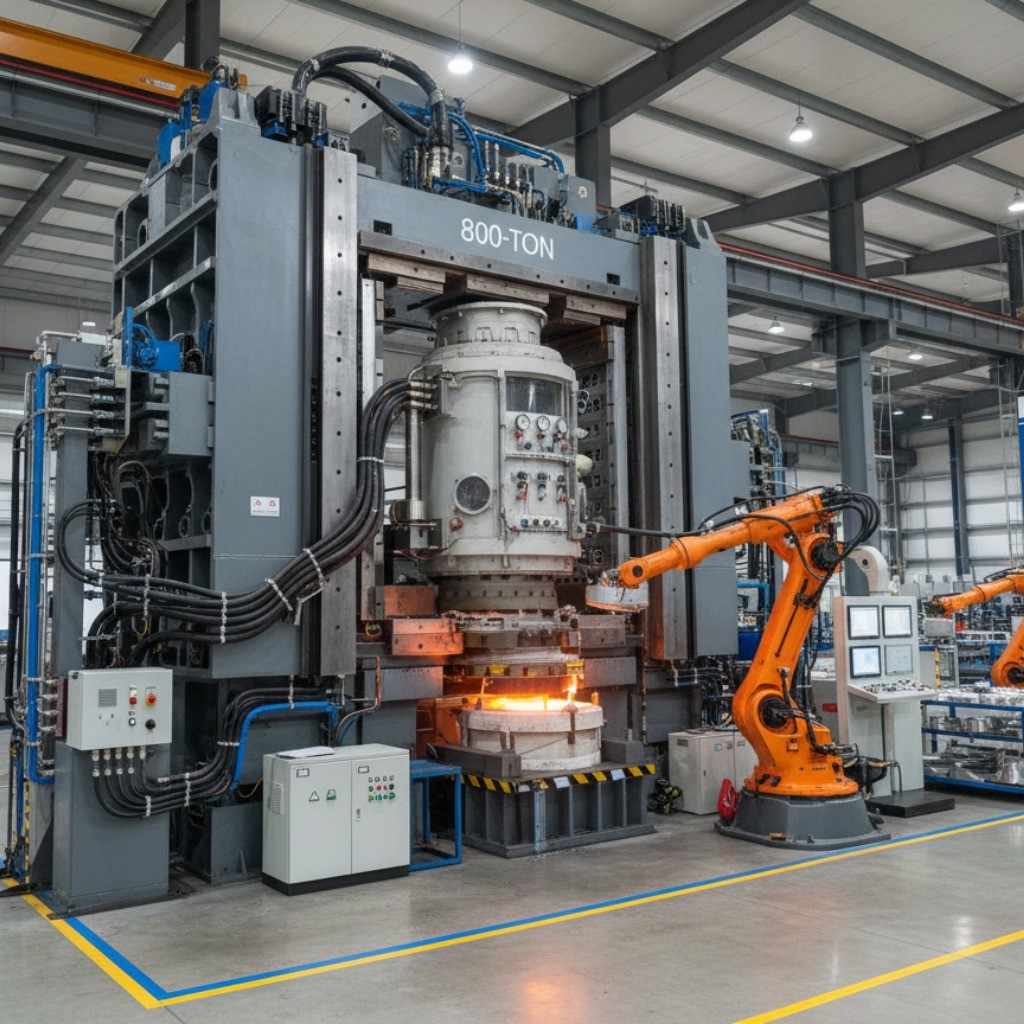
3. 800-Ton Vacuum-Assisted MachineModel ID: MHT-MACH-VAC-800
Description: Advanced casting cell featuring vacuum valve technology to evacuate air from the mold milliseconds before injection. This machine is critical for producing porosity-free structural parts that require heat treatment or welding.
Technical Specifications:
- Clamping Force: 8000 kN
- Vacuum Level:< 50 mbar
- Plunger System: Servo-controlled
- Application: Structural EV parts, Pressure Valves
- Suitability: AlSi10MnMg, Silafont-36
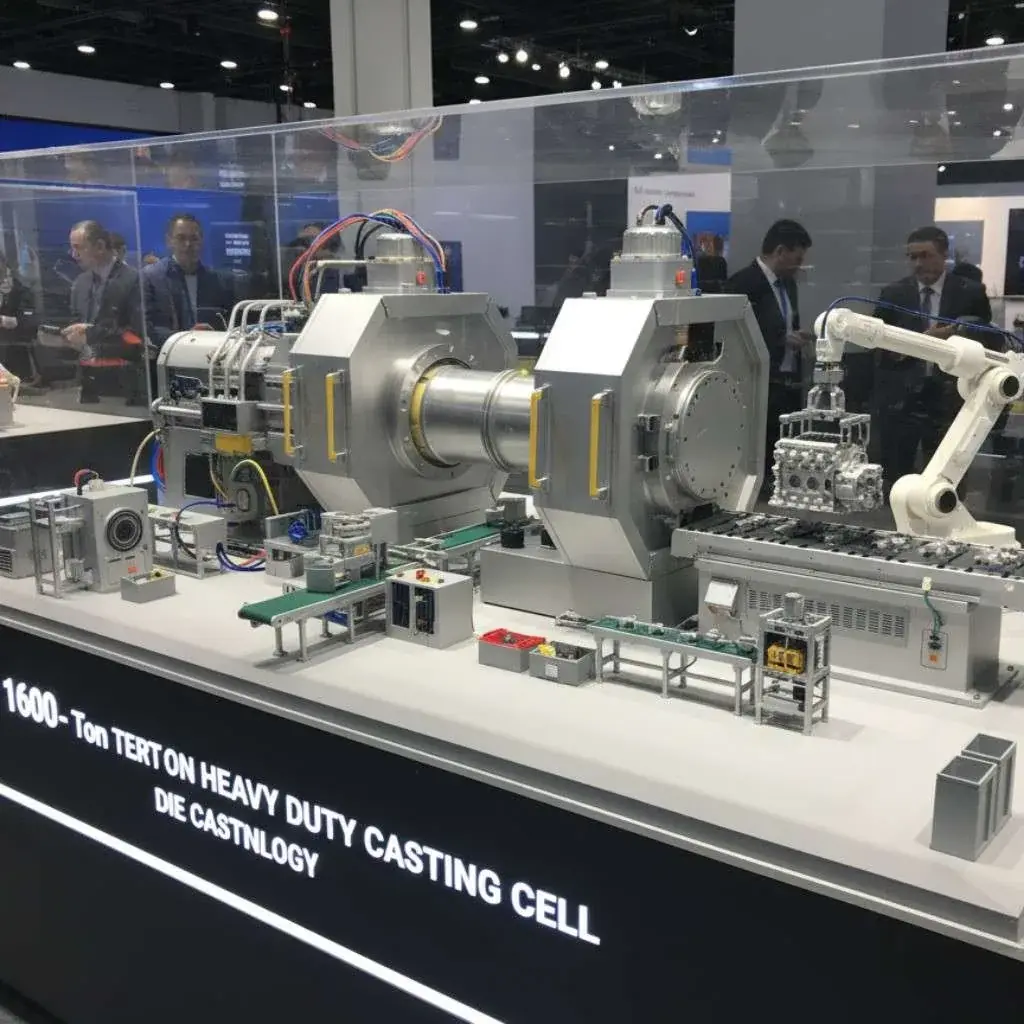
4. 1600-Ton Heavy Duty Casting CellModel ID: MHT-MACH-HVY-1600
Description: Massive tonnage capability for large-format components. This machine handles high projected area parts like transmission housings and telecommunication heatsinks. Features a robust toggle system to withstand extreme intensification pressures.
Technical Specifications:
- Clamping Force: 16,000 kN
- Max Shot Weight: 15 kg (Al)
- Platen Size: 1800mm x 1800mm
- Cooling: Multi-zone die thermoregulation
- Suitability: Truck Components, 5G Towers
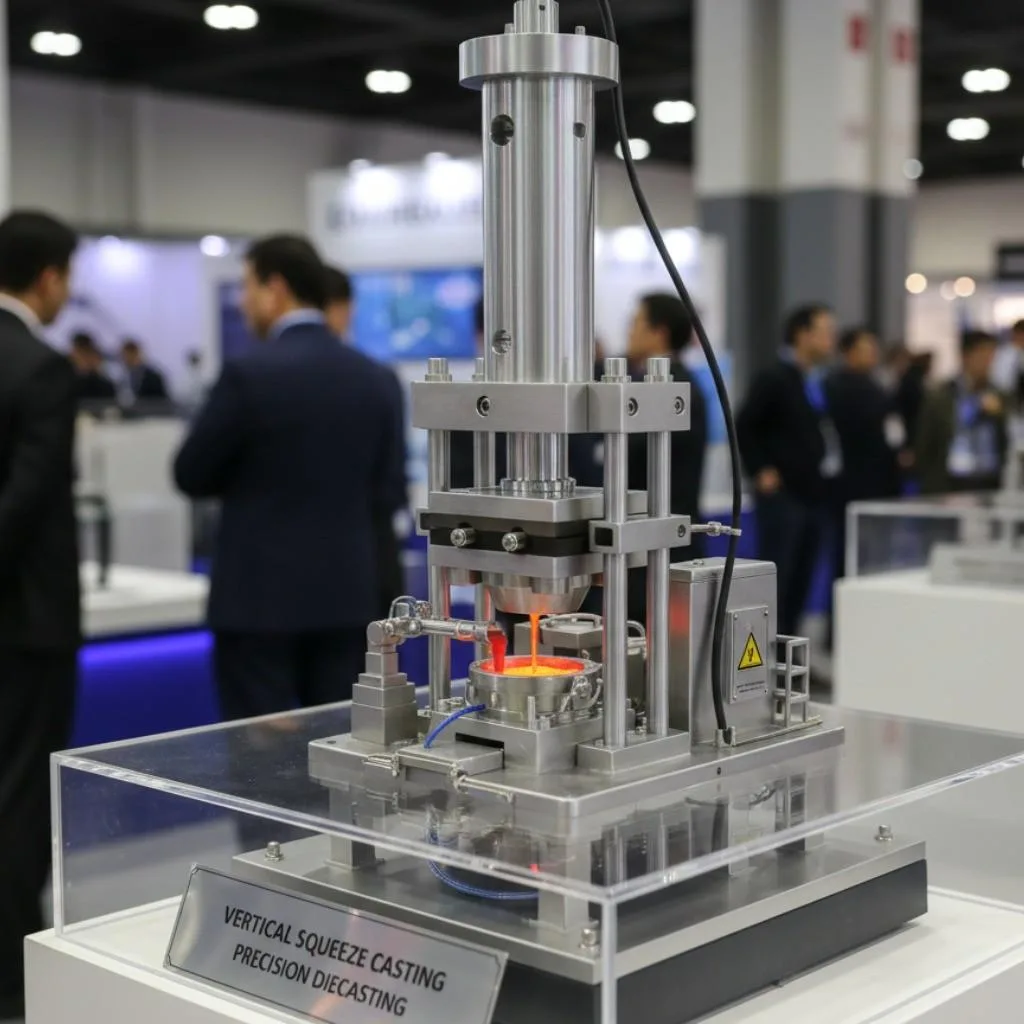
5. Vertical Squeeze Casting MachineModel ID: MHT-MACH-SQZ-350
Description: Specialized vertical injection machine designed for “squeeze casting” (Liquid Metal Forging). Applies slow, ultra-high pressure during solidification to eliminate microporosity. Used for safety-critical suspension and brake components.
Technical Specifications:
- Clamping Force: 3500 kN
- Process: Vertical Injection / Slow Fill
- Properties: Forging-like strength
- Porosity: Near Zero
- Suitability: Brake Calipers, Knuckles
Testimonial
"Marcus Hi-Tech's fleet diversity is their biggest asset. We moved our entire product line there because they had the exact 800-ton machines we needed for our new EV battery box." —
Carlos Mendez
Operations Director, Electric Mobility
"Their hot chamber machines are incredibly fast. We are getting 20% higher output on our zinc connectors compared to our previous supplier's older equipment." —
Li Wei
Production Manager, Consumer Electronics
"Access to a 1600-ton press in the region was a game-changer for us. We can now cast our telecom tower heatsinks locally instead of importing them." —
Priya Sharma
Supply Chain Head, Telecommunications
"The vacuum-assisted machine capability saved our project. We were failing leak tests until we moved the tool to Marcus's vacuum cell. Now, yields are 99%." —
Robert Thorne
Quality Lead, Hydraulic Systems
"Their vertical squeeze casting machine produced brake calipers with density I've only seen in forgings. The mechanical properties are outstanding." —
Anil Kapoor
R&D Engineer, Automotive Safety
Frequently Asked Questions
What is the range of Marcus Hi-Tech’s machine tonnage?
We operate a comprehensive fleet ranging from 40-Ton hot chamber machines up to 4200-Ton cold chamber cells for heavy industrial parts.How do I know which machine size my part needs?
Machine size is determined by the "projected area" of your part and the injection pressure. Our engineering team will calculate the required clamping force (tonnage) to ensure safety and quality.Do you have Vacuum Die Casting capabilities?
Yes. Our 800T and larger machines are equipped with high-performance vacuum valves (Chill-Vents) to produce low-porosity, heat-treatable components.What machine brands do you use?
Our facility utilizes top-tier machinery from globally recognized brands such as Bühler, Toshiba, Ube, and LK to ensure reliability and precision.Where are your casting facilities located?
Our machine shops are located in India (Pune, Bangalore, Coimbatore, Chennai, Faridabad, Rajkot, Jamnagar, Hyderabad), Vietnam (Hanoi, Ho Chi Minh), and China (Tianjin, Qingdao, Ningbo, Nanjing, Hangzhou, Jiangsu Province).Talk to a Manufacturing Engineer
Send your drawing, material, and annual volume. We respond within 48 hours with feasibility and DFM observations.