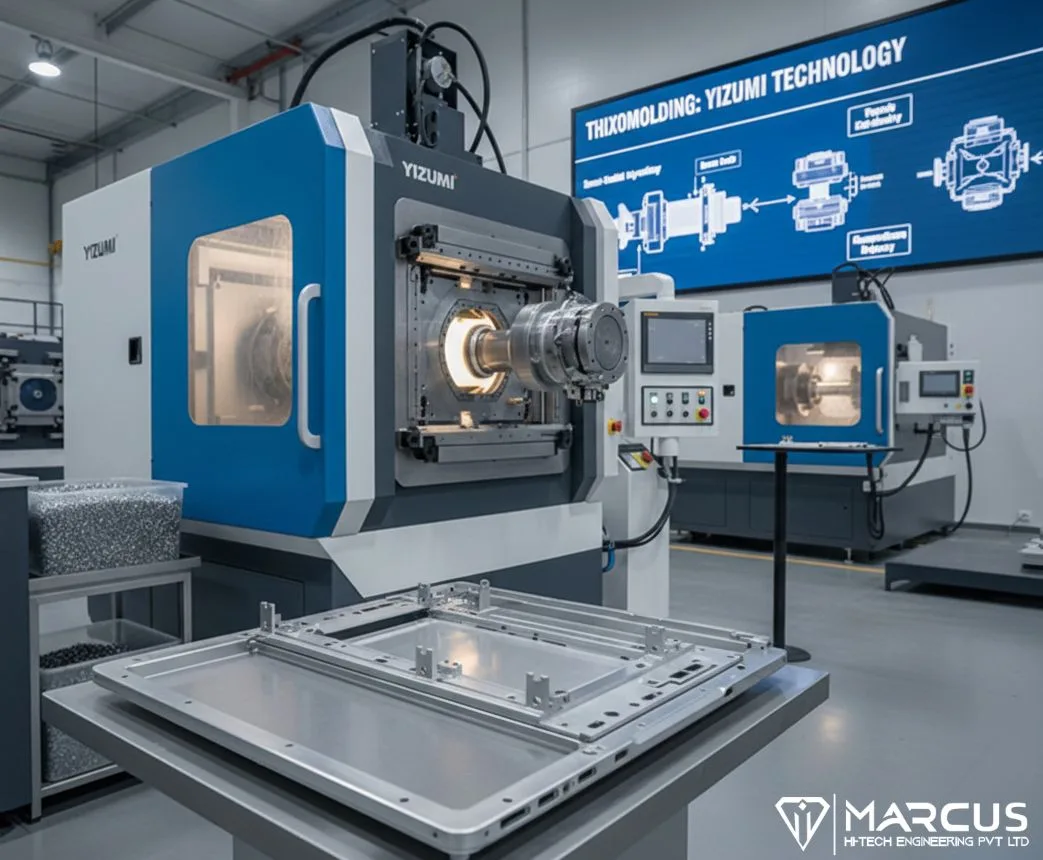
Thixomolding: Lightweight, Strong & Precise Manufacturing
Thixomolding enhances magnesium manufacturing with ultra-thin walls, accuracy, and low porosity for automotive, aerospace, and electronics.
Read article →
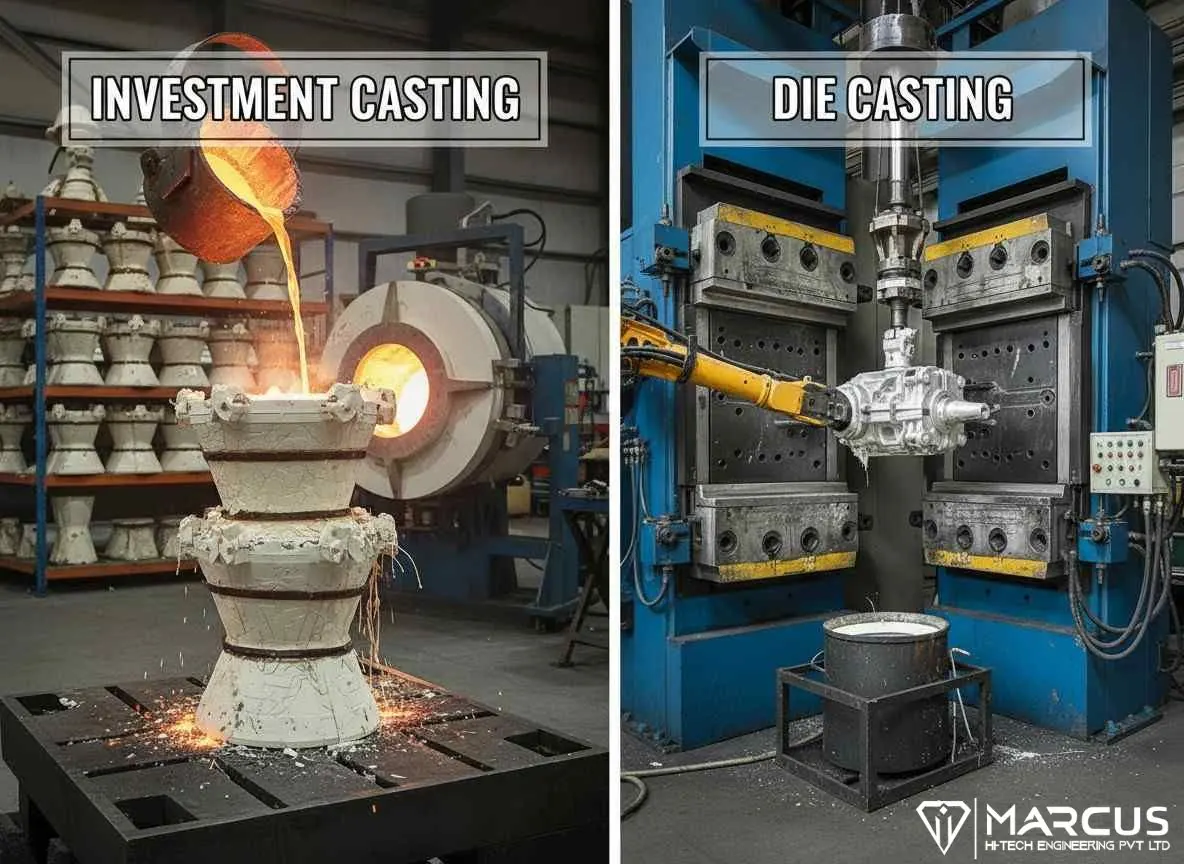
Choosing between investment casting and die casting is a pivotal decision that impacts your part’s performance, lead time, and bottom line. While both produce high-precision metal components, they serve vastly different manufacturing goals.
The core distinction lies in the mold:
| Feature | Investment Casting | Die Casting |
|---|---|---|
| Best Volume | Low to Medium (1–5,000 units) | High (5,000+ units) |
| Material Options | Ferrous & Non-ferrous (Steel, Superalloys) | Non-ferrous only (Al, Zn, Mg) |
| Tooling Cost | Low to Moderate | High Upfront |
| Per-Unit Cost | Higher (Labor intensive) | Lower (Highly automated) |
Investment Casting is the winner for prototyping and shorter runs. Because wax injection molds are typically made from aluminum or softer metals, the upfront “buy-in” is relatively low.
Die Casting requires a massive initial investment in hardened steel dies, often costing tens of thousands of dollars. However, once the die is created, the cycle time is measured in seconds, whereas investment casting takes hours or days. At scale (10,000+ parts), die casting is significantly more economical.
Choose the “Lost Wax” process if your project requires:
Choose the “High-Pressure” route if your project requires:
More process, tooling, and sourcing notes from the Marcus engineering team.
Thixomolding enhances magnesium manufacturing with ultra-thin walls, accuracy, and low porosity for automotive, aerospace, and electronics.
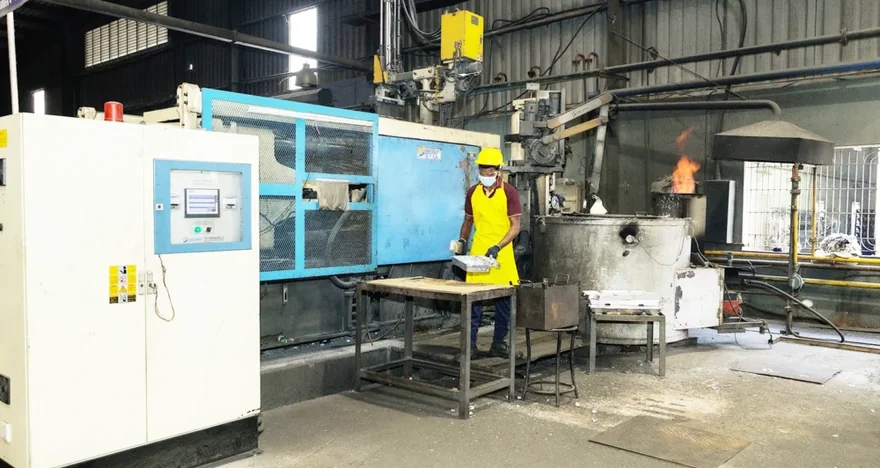
Read article →Compare hot vs cold chamber die casting by speed, alloy compatibility (zinc vs aluminum), and cost efficiency.
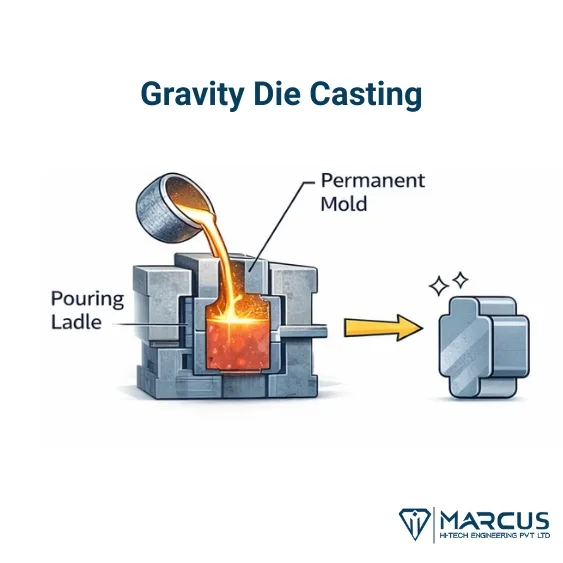
Read article →Master gravity die casting: Process, machines, and pros/cons. Learn why GDC is the top choice for high-strength metal parts in 2026.
Read article →