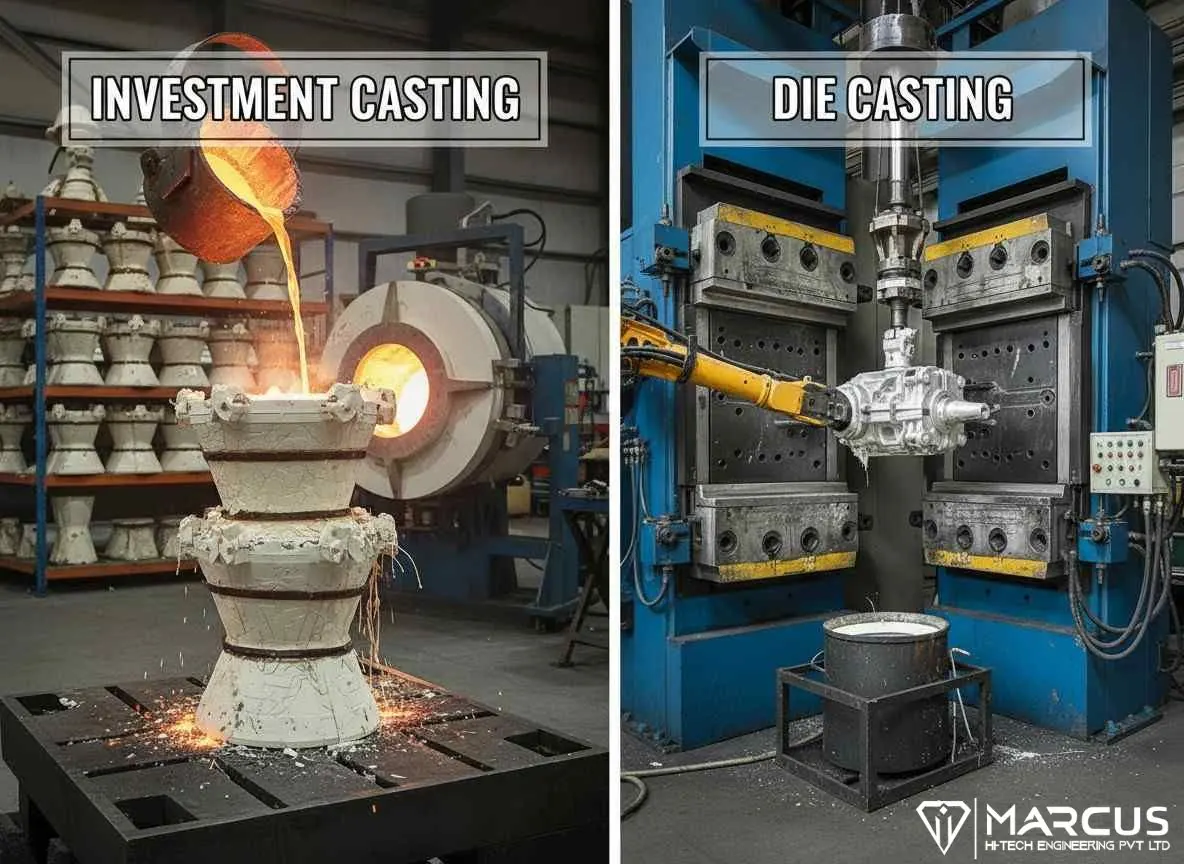
Investment Casting vs. Die Casting: Only One Is Best for You
Stop guessing. We put the two giants of metal casting head-to-head. See which process wins for complexity, speed, and total cost in 2026.
Read article →
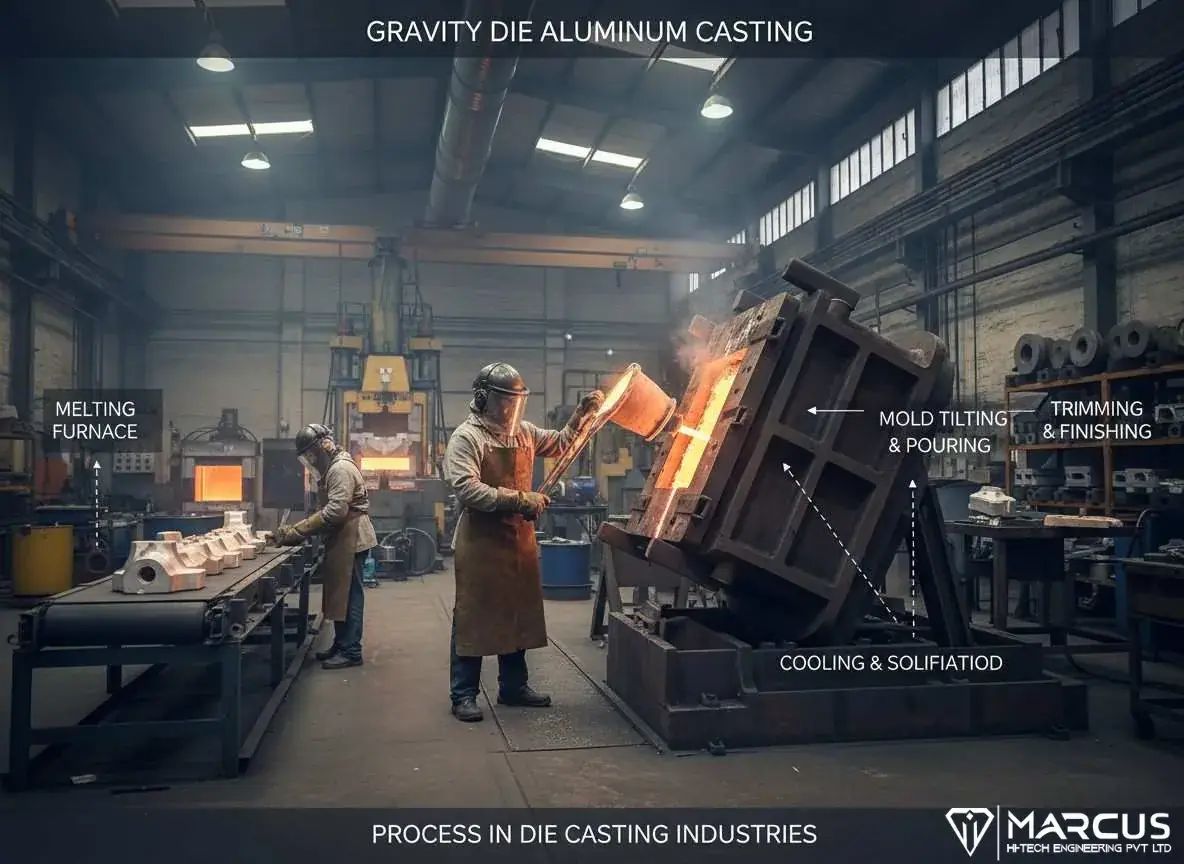
Gravity die aluminum casting is a widely used metal casting process known for producing high-quality aluminum components with excellent mechanical strength, dimensional accuracy, and surface finish. Often referred to as aluminum permanent mold casting, this method is ideal for manufacturers seeking consistent quality in medium-to-high production volumes.
In this blog, we’ll explore how gravity die aluminum casting works, its advantages, common alloys, applications, and how it compares to other aluminum casting methods.
Gravity die aluminum casting is a process where molten aluminum is poured into a reusable steel or cast-iron mold using gravity alone. Unlike high-pressure die casting, no external pressure is applied during mold filling. The metal solidifies under controlled conditions, resulting in dense, strong, and uniform aluminum parts.
The reusable nature of the mold allows for better repeatability and long-term cost efficiency compared to expendable mold processes.
Gravity die aluminum casting offers several advantages that make it a preferred choice across multiple industries:
These benefits make gravity die casting ideal for structural and load-bearing aluminum components.
The aluminum gravity die casting process typically includes the following steps:
This controlled process ensures repeatable quality and reduced scrap rates.
Choosing the right aluminum alloy is critical for performance and durability. Commonly used alloys include:
These alloys provide an optimal balance between castability and mechanical performance.
Gravity Die Casting vs Sand Casting
Gravity die casting produces parts with better surface finish, tighter tolerances, and higher strength, while sand casting is better suited for low volumes and very large parts.
Gravity Die Casting vs High-Pressure Die Casting
Gravity die casting results in lower gas entrapment and better heat-treatability, whereas pressure die casting excels in extremely high-volume production with thin-walled parts.
Gravity die aluminum casting is widely used in industries such as:
Its strength and reliability make it ideal for demanding applications.
When selecting a gravity die aluminum casting foundry, consider:
Top U.S. suppliers such as Alcast Company and Le Sueur Incorporated (LSI) are known for delivering high-quality gravity die aluminum casting solutions.
Gravity die aluminum casting is a proven manufacturing process that combines strength, precision, and cost efficiency. With its superior mechanical properties and consistent quality, it remains a preferred solution for industries requiring durable aluminum components at scale.
If you’re evaluating aluminum casting options, gravity die aluminum casting offers an excellent balance between performance and production efficiency.
More process, tooling, and sourcing notes from the Marcus engineering team.
Stop guessing. We put the two giants of metal casting head-to-head. See which process wins for complexity, speed, and total cost in 2026.
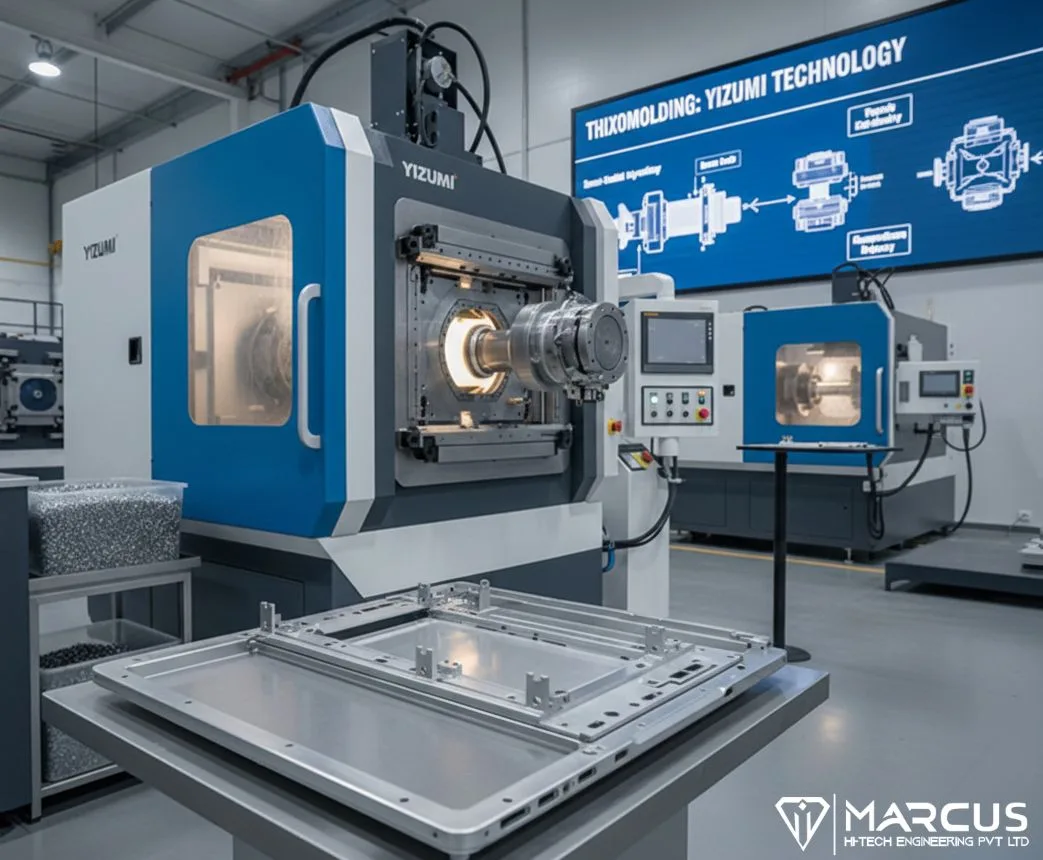
Read article →Thixomolding enhances magnesium manufacturing with ultra-thin walls, accuracy, and low porosity for automotive, aerospace, and electronics.
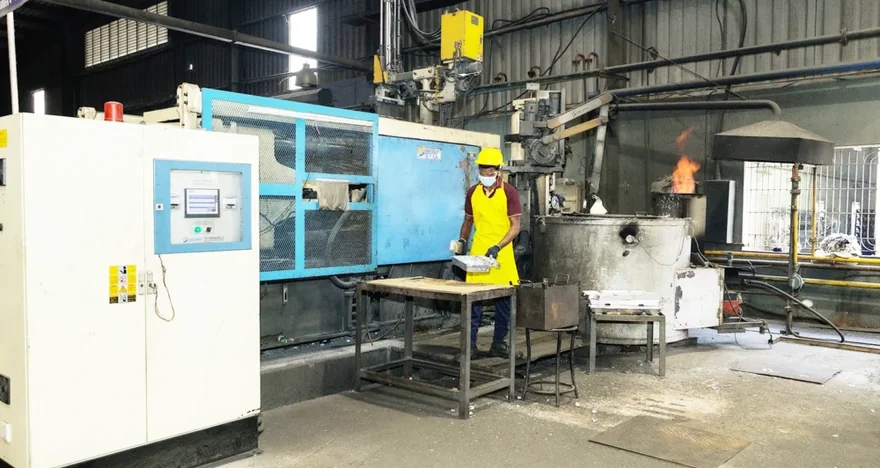
Read article →Compare hot vs cold chamber die casting by speed, alloy compatibility (zinc vs aluminum), and cost efficiency.
Read article →